REVIEW · COZUMEL
Cozumel: General Entrance to Mayan Bee Sanctuary
Book on GetYourGuide →Operated by Tourlanders · Bookable on GetYourGuide
Stingless bees and Mayan symbols, in 45 minutes. I love the honey tasting and the walk past the limestone monolith sculptures, and it makes a nice change from snorkel-and-shop Cozumel days. One thing to plan for: this is brief, so it helps to have a ride lined up and know what you want out of a quick stop.
What really sold me is the human side of it. With a small group (up to 10) and certified guides in English and Spanish, you get time for questions and real explanations about how Melipona bees work. Guides like Russell or Roberto can make the science feel practical, not museum-y.
In This Review
- 5 Things You’ll Be Glad You Book for the Cozumel Bee Sanctuary
- The Quick Case for This Tour on a Cozumel Day
- Arrival, Shoes, and Why Timing Matters (15 Minutes Early)
- Mayan Monoliths Exhibition: Limestone Art and Symbols You Can Actually Spot
- The Meliponary Tour: How Stingless Melipona Colonies Are Organized
- Why Melipona Honey Matters to the Mayans
- Honey Tasting: Varieties, Pollen, and Propolis Pearls
- Price and Value: What $13 Buys You (and What It Does Not)
- Getting There and Your Ride Back: Don’t Leave This to Chance
- Who This Tour Suits Best (and Who Might Skip It)
- Should You Book the Cozumel General Entrance to the Mayan Bee Sanctuary?
- FAQ
- How long is the Mayan Bee Sanctuary tour?
- What is included in the ticket price?
- Is pickup and drop-off included?
- What should I bring for the tour?
- Is the tour suitable for wheelchair users or mobility impairments?
- Is free cancellation available?
5 Things You’ll Be Glad You Book for the Cozumel Bee Sanctuary
- $13 for about 45 minutes: short, focused, and easy to fit between other plans
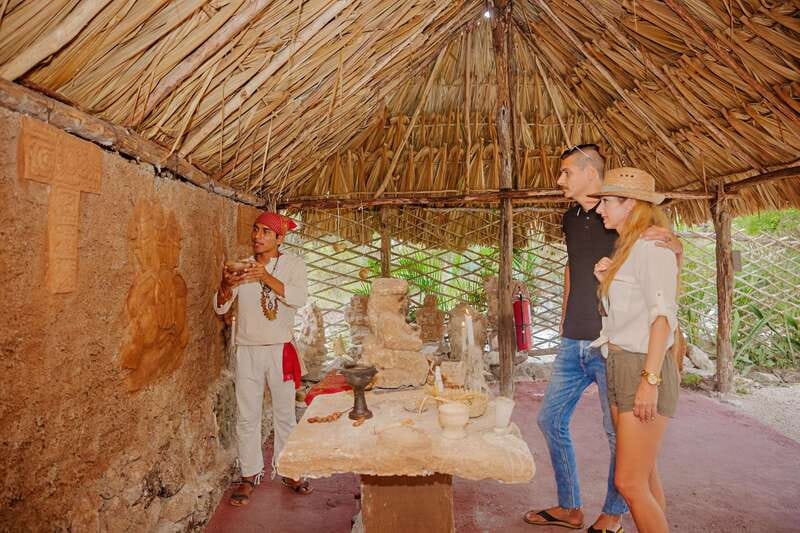
- A Mayan monolith path with limestone works by a local artist, featuring symbols like Ixchel and Aluxes
- A clear look at stingless Melipona colony roles (queen, princesses, drones, workers, guardian)
- Honey tasting that goes beyond sweetness, including different varieties, plus pollen and propolis pearls
- A product walk-through showing how honey is turned into candies, eye drops, soaps, shampoos, creams, and more
The Quick Case for This Tour on a Cozumel Day
This is the kind of activity that works when you want something meaningful but you do not want to lose half your day. You pay a modest $13 and you get a structured experience: culture, then bees, then honey.
The best part is the pacing. You are not wandering around waiting for things to happen; you are guided through the Mayan Monoliths Exhibition, then the meliponary area, then the tasting. If your Cozumel schedule is tight or you are doing snorkel one day and want a quieter change the next, this is a good match.
It is also a solid value for what you leave with. Honey tasting is included, and you also see what the honey becomes, from food items to personal-care products. That makes the whole experience feel connected, not like a one-note “look at bees” stop.
You can also read our reviews of more tours and experiences in Cozumel.



Arrival, Shoes, and Why Timing Matters (15 Minutes Early)
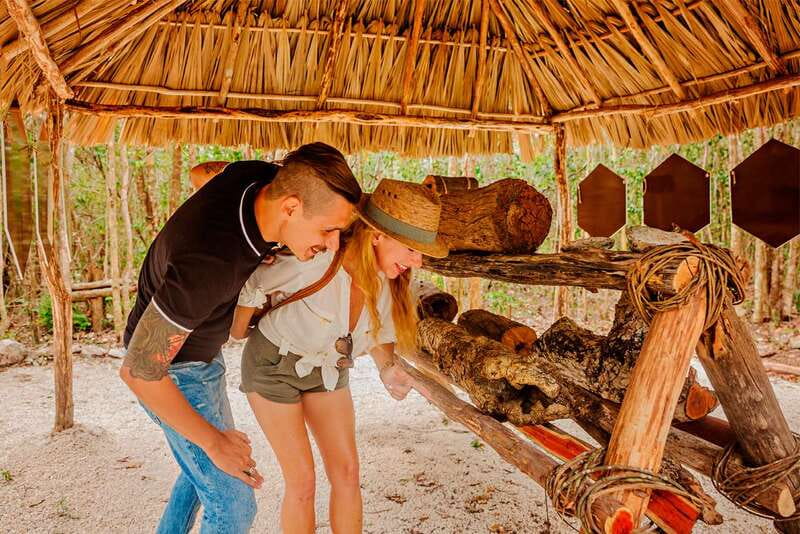
Plan to arrive about 15 minutes before the start time and look for the Mayan Bee Sanctuary sign at the meeting point. The tour runs about 45 minutes, so being late can shrink your time for questions.
You also need to be comfortable on your feet. Expect some walking on uneven gravel terrain, and wear shoes you trust. This matters because the sanctuary portion and the monolith-path portion both involve short walks where you do not want to be thinking about your footing.
If you are sensitive to bugs, bring insect repellent. Even though these are stingless bees, you are outdoors and the sanctuary setting still has normal nature conditions. Sunglasses and biodegradable sunscreen are smart, too, because you will be out in the open.
Mayan Monoliths Exhibition: Limestone Art and Symbols You Can Actually Spot
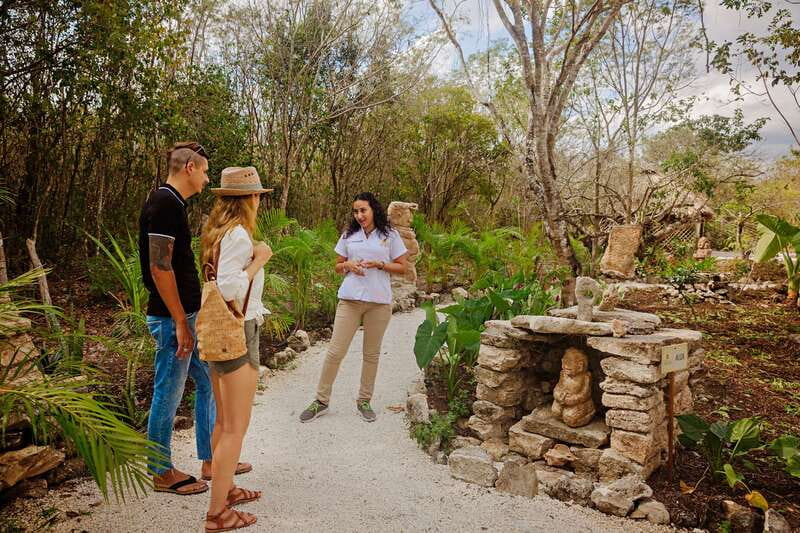
The tour starts with the Mayan Monoliths Exhibition and the monolith path. This is not just a quick glance at a couple of rocks. You walk and learn as you go, and you notice details instead of rushing through them.
One of my favorite parts here is the limestone path experience. You encounter unique pieces sculpted in limestone by a local artist. The tour frames these works around Mayan religious symbols, including Goddess Ixchel, the Aluxes, and stelae.
Why this part is worth your time: it gives context for the bee story. Instead of bees being a random attraction, the tour connects them to Mayan beliefs and cultural meaning. If you like seeing how tourism ties culture to place (instead of swapping it for generic facts), you will probably appreciate this section.
A practical note: because the tour is short, you are not looking at huge, sprawling galleries. You are getting a guided highlight-style visit where the focus is on a few key symbols. If you want an extended deep dive at your own pace, this may feel compressed. But for a quick cultural interlude, it works well.
The Meliponary Tour: How Stingless Melipona Colonies Are Organized
Then you shift into the meliponary area, where the tour gets hands-on in concept. You learn about the structure and composition of the bee colony and what makes the Melipona bees different.
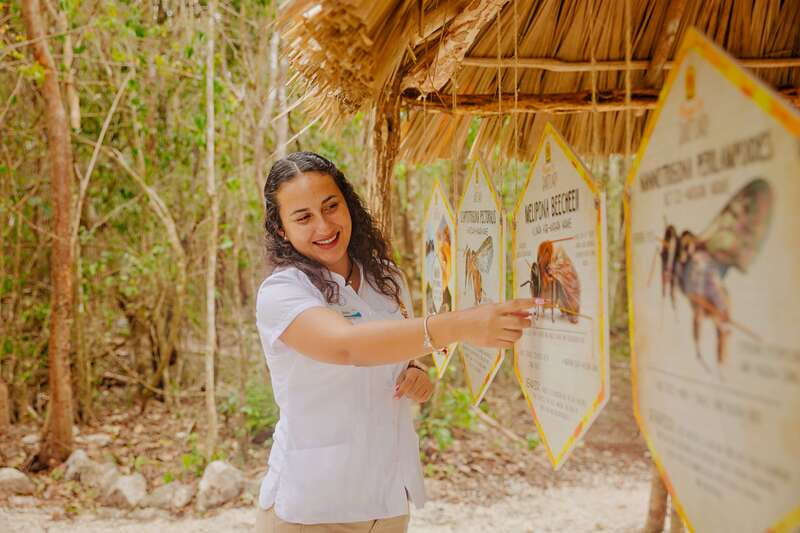
The tour explains the bees as stingless Melipona and focuses on their organization. You do not just hear basic facts; you walk through how the colony is arranged and what each group does. The guide points out roles tied to the colony, including the queen bee, princesses, drones, workers, and a guardian.
The other thing I liked here is that you get to see the hives both inside and out. That gives you a better sense of how the colony is set up in a sanctuary environment rather than treating it like a single photo-op moment.
If you are the type who likes clear explanations, this section tends to click. People usually come to this kind of tour to understand the “why.” Here the “why” is built into the structure: the colony is organized with distinct roles, and that organization is the engine behind the honey you end up tasting.
Why Melipona Honey Matters to the Mayans
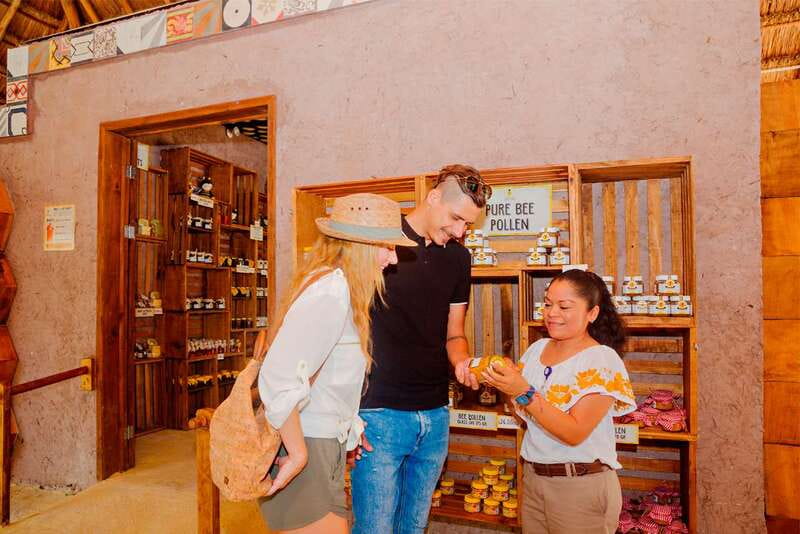
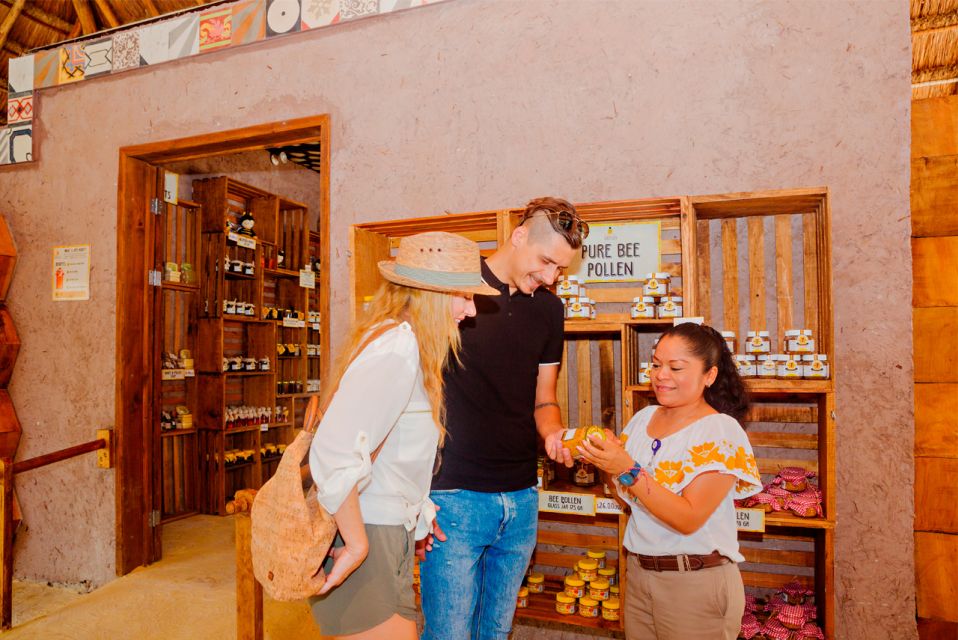
The bee portion connects directly to honey and to the Mayan view of it. You learn about the nutritional and medicinal properties of Melipona honey, and how closely Melipona bees connect to Mayan people.
The story the guide tells centers on how ancient Mayans valued honey for healing power—restoring well-being and harmony of the heart—and for vigor and strength. Whether or not you treat ancient healing claims as literal medicine, you can still take away something useful: honey mattered culturally, not just as a sweet treat.
This is one of those times where the tour does a good job avoiding empty mysticism. It does not just say honey is special; it ties that idea to the bees and to the cultural symbols you saw earlier. That makes the experience feel coherent.
If you are the kind of visitor who likes cultural context more than souvenir shopping, this section is one of the reasons the tour earns its strong rating.




Honey Tasting: Varieties, Pollen, and Propolis Pearls
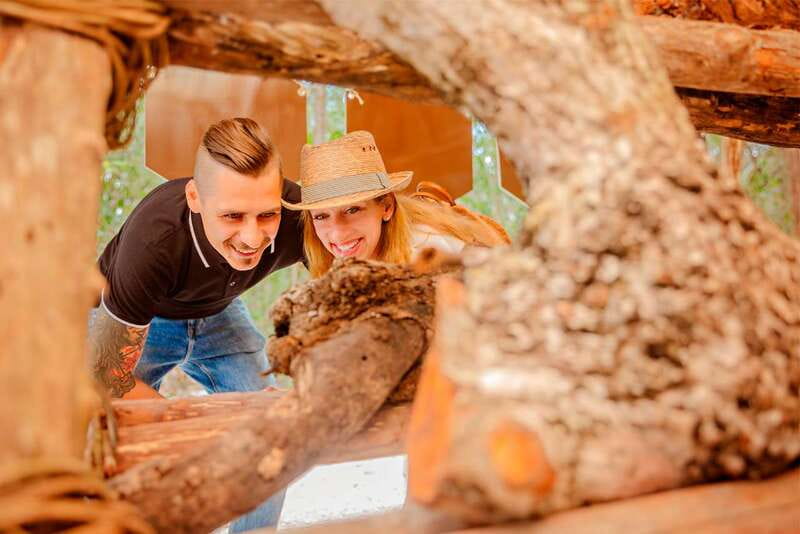
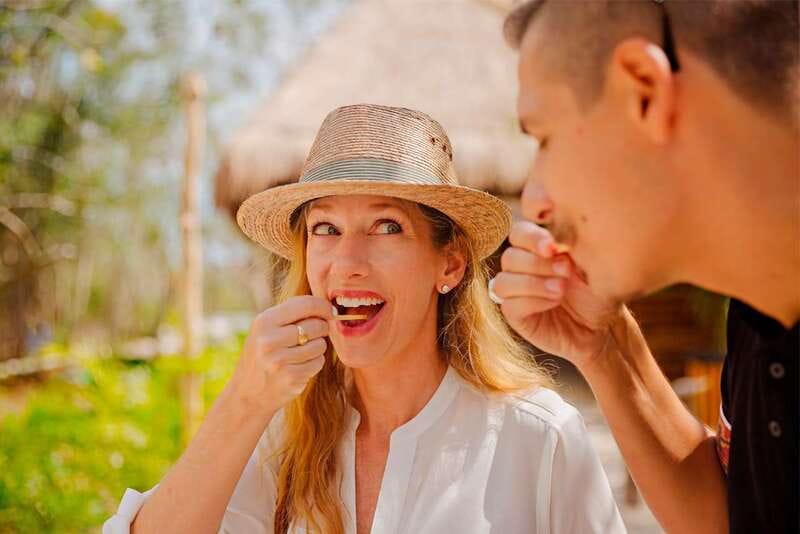
At the end, the tour turns into a practical payoff: tasting. You sample different varieties of honey and get a chance to compare flavors instead of just trying one kind and calling it done.
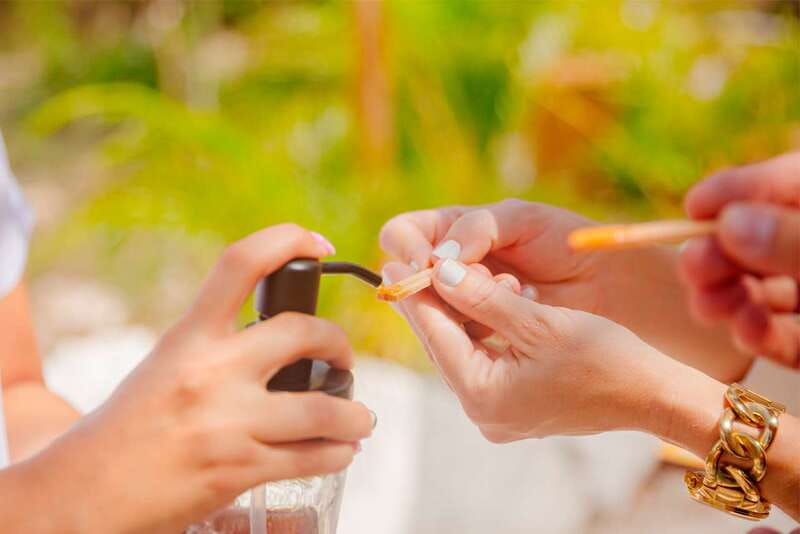
Expect honey tasting that includes not only honey varieties, but also items like pollen and propolis pearls. That matters because it broadens what you taste beyond simple sweetness. You also get a sense of how people in the sanctuary view honey and bee products as part of daily life and local making.
Then you see how honey is used to make products, including candies, eye drops, soaps, shampoos, creams, and more. Even if you do not plan to buy anything, it helps you understand the business side and why the sanctuary focuses on these bees.
Two small tips that make tasting more enjoyable:
- Go in with an open mind. Some honey styles taste floral or earthy, not just sugary.
- Take your time between sips and bites so you can actually notice differences.
Price and Value: What $13 Buys You (and What It Does Not)
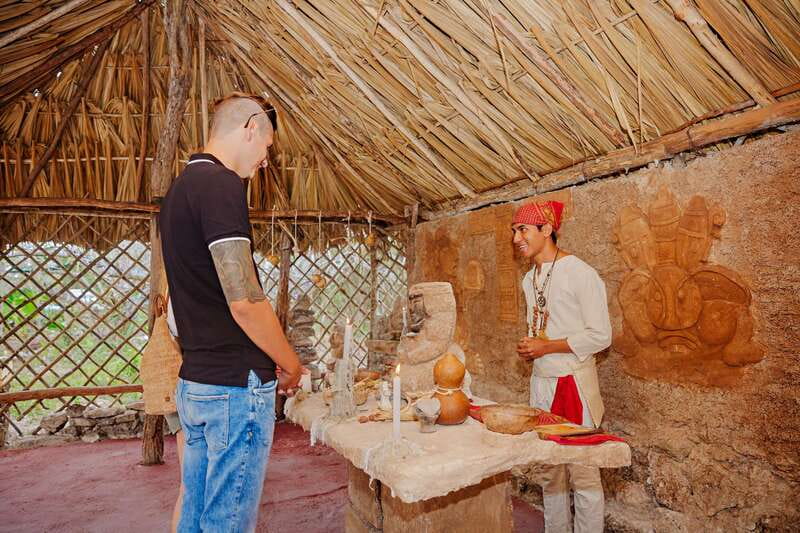
For $13 per person, you are buying a guided cultural-and-nature experience with multiple parts bundled together. You get entrance to the sanctuary, a certified guide in English and Spanish, honey tasting, the Mayan Monoliths Exhibition, and access to the meliponary.
You do not get a long day. The whole tour is about 45 minutes, and the format is a series of highlights rather than a full self-guided afternoon. That is not a flaw; it is the point. It is meant to fit your day.
So who gets the best value?
- People who want a break from the most tourist-heavy Cozumel routines
- Visitors who like short guided explanations and included tasting
- Families and anyone with limited time who still wants something hands-on and local
If your goal is an all-day adventure, this will not scratch that itch. But if you want a compact experience with real learning and a tasty finish, it offers strong bang for your time.
Getting There and Your Ride Back: Don’t Leave This to Chance
Pickup and drop-off are not included, so you need to handle transportation yourself. For short tours like this, that is usually fine—until you realize how quickly you can run out of options at the end.
One practical lesson from the experience: do not go without a plan for your return ride. The sanctuary is not a “walk back whenever” kind of place based on how people describe the cab situation afterward. Even if it looks simple on arrival, it can get expensive or slower once you are done.
My advice: arrange your return before you start. Confirm how you will get back to your hotel, cruise port area, or wherever you need to be. It will reduce stress and help you enjoy the tasting instead of watching the time.
Who This Tour Suits Best (and Who Might Skip It)
This is a good fit if you enjoy learning something small but specific: Mayan symbols, stingless bee colony roles, and honey tasting with multiple varieties and bee products.
It can also work well if you like nature without committing to a long hike. You are outside and you get that calm sanctuary feel, but you are not spending hours walking.
Who should consider skipping:
- People who want a longer excursion with lots of independent exploring
- Anyone who needs wheelchair-friendly access, since it is not suitable for mobility impairments and wheelchair users
- Anyone who hates uneven gravel terrain, because some walking is required
Should You Book the Cozumel General Entrance to the Mayan Bee Sanctuary?
If you have 45 minutes and you want something local that actually connects culture to nature, I think you should book. The honey tasting alone makes it feel worth it, and the monolith-to-bees-to-taste flow gives you a complete story instead of disconnected stops.
I would only skip it if you are craving a longer day, or if you cannot handle uneven gravel walking. Otherwise, this is an easy win for a Cozumel break that does not feel like another shop stop.
If you can, plan your ride back ahead of time. Then show up early, wear solid shoes, and go in curious. You will leave with a clearer sense of what stingless Melipona bees mean in a Mayan context—and you will have tasted products made from that connection.
FAQ
How long is the Mayan Bee Sanctuary tour?
The tour lasts about 45 minutes.
What is included in the ticket price?
Included are the entrance fee to the Mayan Bee Sanctuary, a certified English and Spanish-speaking guide, honey tasting, the Mayan Monoliths Exhibition, and the Meliponary.
Is pickup and drop-off included?
No. Pickup and drop-off are not included.
What should I bring for the tour?
Bring comfortable shoes, sunglasses, biodegradable sunscreen, comfortable clothes, insect repellent, and cash.
Is the tour suitable for wheelchair users or mobility impairments?
No. It is not suitable for people with mobility impairments or wheelchair users.
Is free cancellation available?
Yes. You can cancel up to 24 hours in advance for a full refund.