REVIEW · COZUMEL
Open Water Course Cozumel
Book on Viator →Operated by Be Diving Scuba Academy · Bookable on Viator
Cozumel gets you certified step by step. The PADI Open Water Diver course here is built in clear phases—knowledge, confined-water skills, then open-water practice—so you’re not guessing what comes next. I especially like that the theory can be done online or in a classroom, which makes scheduling easier.
What I love most is how much focus you get on fundamentals. You’ll practice with standard scuba gear and spend time on buoyancy and control skills in a small pool, which helps you feel steady before you go further. One possible drawback: the schedule can stretch to 3 days depending on availability, and the experience depends on good weather.
In This Review
- Key points to know before you go
- PADI Open Water Diver in Cozumel: what the course really means for you
- Where you start: Playa del Carmen meeting point and how Cozumel fits in
- Day 1: theory + confined-water skills in a small pool
- Day 2: Casa Cenote practice—skills in clear, fish-filled water
- Day 3: Cozumel open-water sessions along the Mesoamerican reef
- Marine conservation: what it looks like inside a beginner course
- Gear, skills, and the calm control approach that beginners need
- Instructors and teaching style: names you might meet
- Group size and privacy: why private can feel better on a certification
- Price and value: is $600 fair for 2-3 days of training?
- Who this is best for (and who should consider waiting)
- Should you book the Open Water Course Cozumel?
- FAQ
- How long is the Open Water course in Cozumel?
- Is theory part of the course, and can it be done online?
- What scuba gear do you use during training?
- Is this a private experience?
- Where does the experience take place?
- Do I need good weather?
Key points to know before you go
- Two-day or three-day pace: the course can fit your timing, but plan for weather and availability.
- Confined skills first: you’ll build control in a small pool before open-water practice.
- Instructor-led safety and calm communication: clear goals before each session help you focus.
- Marine conservation is part of the training: you’re taught to care for the water while learning.
- Reef practice in Cozumel: open-water sessions are done along the Mesoamerican reef area.
- Gear is part of the course: mask, snorkel, fins, regulator, BCD, and tank are covered and used during training.
PADI Open Water Diver in Cozumel: what the course really means for you
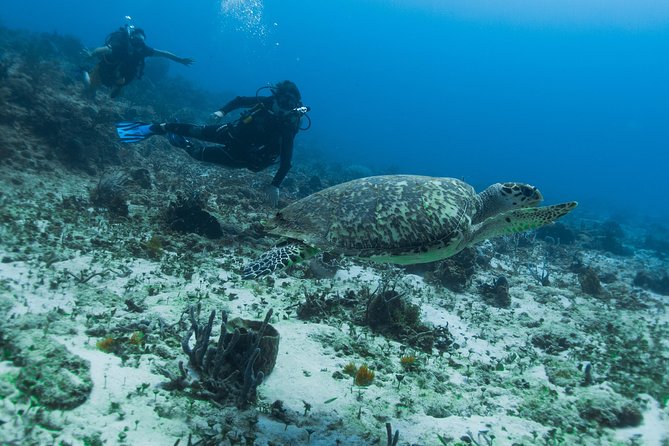
This is the kind of scuba certification that matters because it teaches you how to think underwater, not just how to follow steps. The course is set up in three phases: Knowledge Development, Confined Water skills, and Open Water practice. That structure is what helps most beginners stop feeling overwhelmed and start feeling in control.
You also get a choice for the theory part. You can study online on your own time, or attend a classroom session. Either way, you’re covering the basics of how scuba works, what you need to watch for, and how to respond if something feels off.
Finally, the biggest “value” of this setup is pacing. The course isn’t about rushing you through checkboxes. It’s about practicing key skills until you can do them with confidence, which tends to make everything that follows—like future dives or certifications—much easier.
You can also read our reviews of more tours and experiences in Cozumel.

Where you start: Playa del Carmen meeting point and how Cozumel fits in
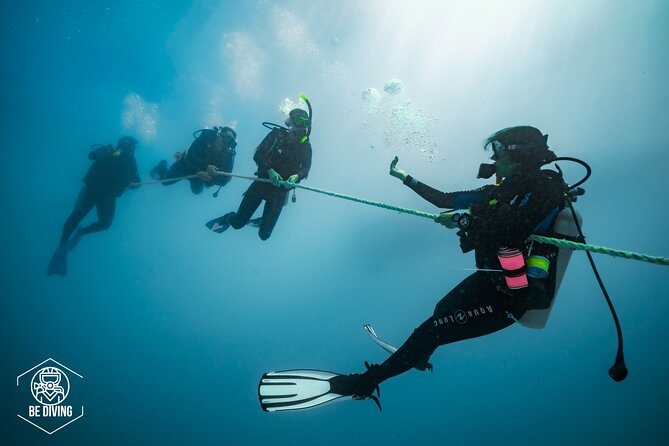
Even though the course is in the Cozumel area, your ticket redemption point is in Playa del Carmen. The activity start point is listed as San Miguel de Cozumel, and the experience ends back at the meeting point. In real life, this usually means you’ll use the Playa pickup point as the anchor, then move to your training locations depending on the day.
One smart thing here: the team runs this as private for your group. That matters on a course like this, because it keeps your instruction focused and prevents you from getting lost in a mixed-experience crowd.
If you’re planning your own timing, don’t treat day-by-day logistics like an afterthought. The Cozumel part can involve open-water travel (including ferry-style movement mentioned in experiences you’ll have access to). You’ll want buffer time in your schedule so you don’t feel frantic.
Day 1: theory + confined-water skills in a small pool
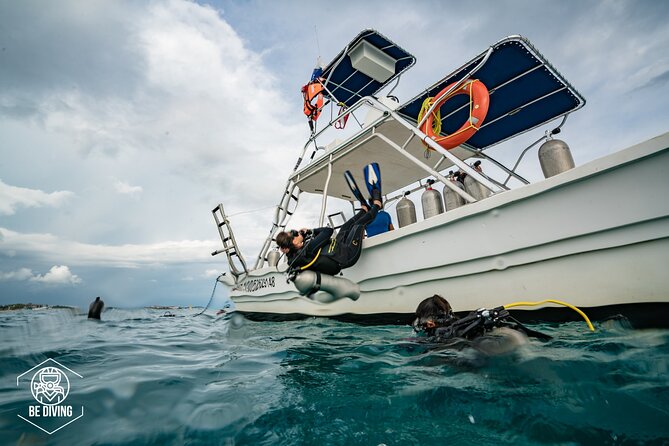
Your first day sets the tone. Before you’re out in open water, you learn the core concepts behind scuba and get comfortable with the kit. The course includes the standard equipment: mask, snorkel, fins, regulator, buoyancy control device (BCD), and tank. You’re not just told what each item does—you practice using it.
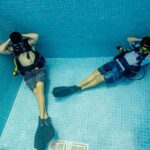
Confined-water training is where you build real trust in your body and your gear. Several experiences highlight training that happens in a tiny pool on site, and that detail is a huge advantage for beginners. Smaller spaces mean shorter distances, faster feedback from the instructor, and more reps for buoyancy work.
This is also where you’ll learn the “how” behind good underwater control. I like that the instruction style described here focuses on fundamentals like buoyancy and trim, plus kicking technique that reduces wasted motion. Less chaotic movement usually means less panic, and that’s what makes the later open-water sessions feel manageable.
Day 2: Casa Cenote practice—skills in clear, fish-filled water
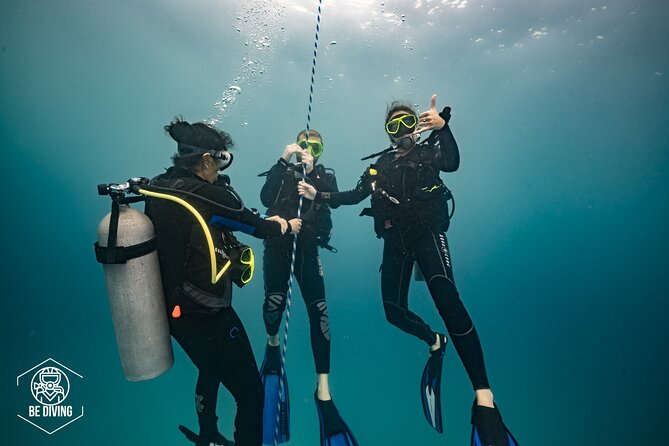
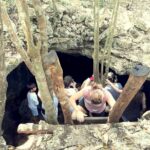
Depending on your course pace (2-day vs 3-day), you may spend a day doing open-water-style practice at Casa Cenote in Tulum. This isn’t described as a sightseeing stop. It’s training water, but with a payoff: clear views and lots of fish action.
What’s valuable for you here is that cenotes can feel different from open ocean. You still practice skills, but the environment can make it easier to focus. That matters when you’re working on things like breathing control, buoyancy adjustments, and maintaining position while you do exercises.
Also, this kind of location tends to be better for learning because it gives you visual feedback. When you see fish and get good visibility, you can better understand where you are in the water column and how your buoyancy changes your position.
A practical note: the experience includes travel and lunch handling in the way it’s described, which helps you stay focused on the training instead of coordinating everything yourself.
Day 3: Cozumel open-water sessions along the Mesoamerican reef
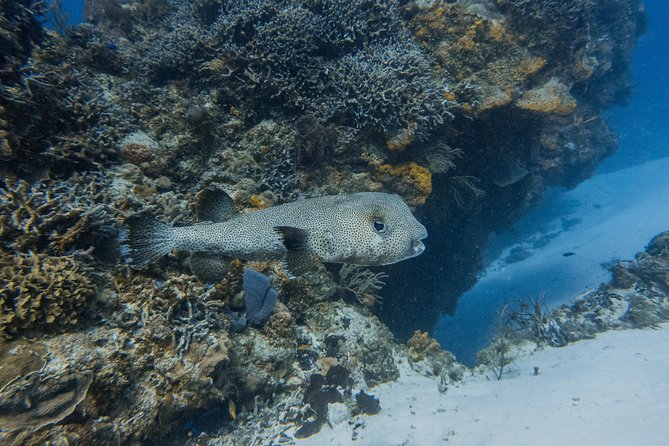
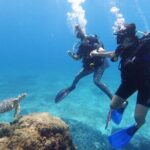
The Cozumel segment is where your training turns into real open-water competence. You’ll be on open ocean practice along the Mesoamerican reef area, using the skills you practiced earlier.
This part is where safety and communication matter most. In experiences shared, instructors clearly communicate the goal of the session before each part of the training. That’s a big deal. When you know what you’re trying to do—like a specific skill target—you can concentrate and stop overthinking.
Another point that comes up: the coaching style aims to make you self-sufficient underwater. You’re not meant to depend on the instructor for every movement. Instead, you learn procedures, practice checks, and build a mindset where you can handle common situations with calmer decision-making.
If you’re hoping to get comfortable with the feeling of open-water space (and not just the contained feel of a pool), this reef practice is the step that usually makes the certification click.

Marine conservation: what it looks like inside a beginner course
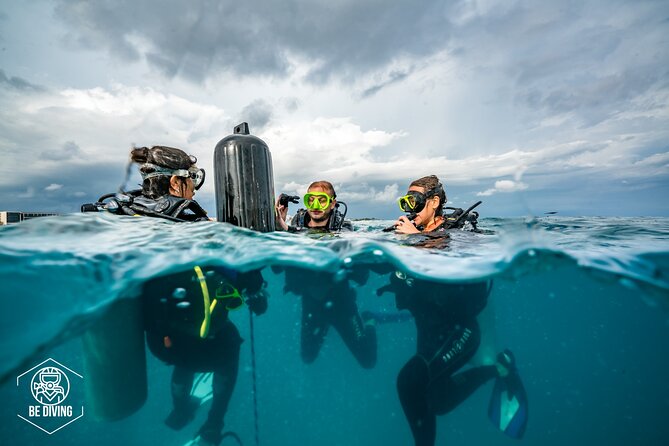
Marine conservation can be a vague slogan in some programs. Here, it’s described as part of the course mission, and that usually translates into practical behavior: caring for the environment while you learn.
That matters because buoyancy isn’t just a skill for comfort. It’s also a way to avoid contacting the seabed or disturbing delicate life. If your training teaches you stable control from the start, you’re already doing the conservation piece correctly without needing a lecture every five minutes.
You’ll also see that responsibility shows up in how instructors are described: patience, careful training, and a focus on safe habits. That combination tends to make conservation more than just words.
Gear, skills, and the calm control approach that beginners need
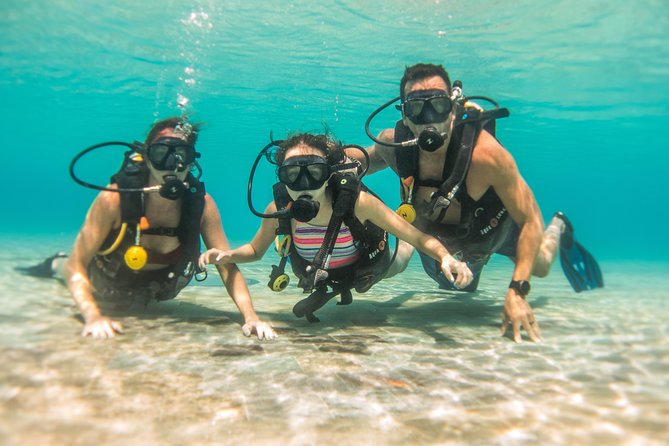
Let’s talk fundamentals, because this is what you’ll feel on your first few sessions. The course trains you to use gear properly and to manage your buoyancy with intention. You’ll work on the core trio of comfortable movement: buoyancy control, trim, and effective kicking methods.
Why this is such a big deal for you: beginners often waste energy by moving too much or by letting themselves float up and down unintentionally. That creates stress, which makes everything harder—breathing, listening, learning, and staying aware.
The emphasis on patience is key. Multiple experiences mention that instruction isn’t rushed, and you get time to practice at your own pace. That’s how you learn skills you can repeat later, instead of skills you only perform while someone is watching.
Also, it’s worth knowing that some experiences mention underwater video being taken so you can buy it afterward. If you were planning to bring a GoPro, that might save you the hassle—just remember that you’ll still need to follow course rules and instructor directions first.
Instructors and teaching style: names you might meet
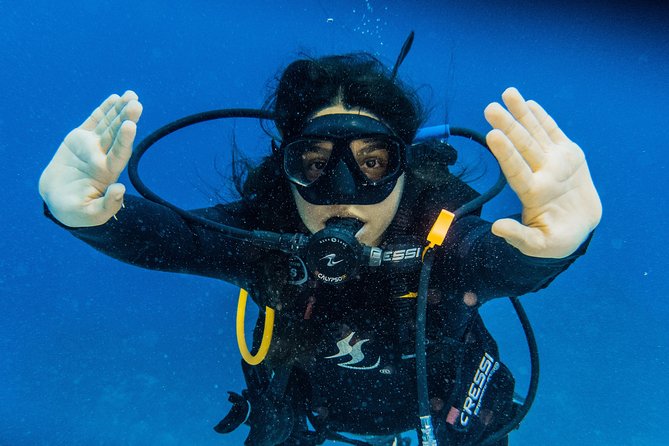
A big part of the quality signal here is instructor approach. Experiences mention instructors such as Jon and Mariana, and also a teacher referred to as John. Across these accounts, the repeated themes are consistent: patience, clear instruction, and a focus on safe, responsible habits.
You’ll likely notice the difference quickly. The best instruction doesn’t just correct mistakes. It explains why you made the mistake and then gives you an opportunity to try again with guidance. That’s what helps you build confidence rather than fear.
If you’re a technical diver type (or you just want clean technique), the way your fundamentals get taught matters too. The goal isn’t to make you fancy. It’s to make you controlled.
Group size and privacy: why private can feel better on a certification
This is a private tour/activity, meaning only your group participates. That might sound like a luxury item, but for a certification course it’s practical.
Smaller group settings let instructors spend more time checking your gear setup, watching your buoyancy during exercises, and adapting pacing if you need extra time. That means less pressure, fewer distractions, and more focused feedback.
If you’re coming with friends, this setup also helps you learn as a unit. One person being nervous can impact the whole group dynamic. Private instruction usually reduces that risk because the teaching style can adjust to the group’s comfort level.
Price and value: is $600 fair for 2-3 days of training?
At $600 per person, you’re paying for more than a few swims. You’re paying for structured instruction in three phases, use and training with standard scuba gear (mask, snorkel, fins, regulator, BCD, tank), and instructor support designed to build real competence.
What makes it feel like good value is the coaching emphasis described: control basics, safety-focused teaching, and time for practice—not rushing. Many people get annoyed when course providers cut corners to move faster. Here, the repeated instruction theme is patience and skill-building.
Your value decision should also factor in how many days you’ll need. The course can be done in 2 or 3 days depending on availability. If you can fit the shorter schedule, you’re getting a more efficient certification timeline. If your schedule stretches, you’re still getting the same phases—just with more time to absorb and practice.
To judge price fairly, think about what you’re buying: confidence, correct technique, and the ability to complete PADI Open Water Diver training safely. That’s the real “product,” and the course description and experiences lean strongly toward training quality.
Who this is best for (and who should consider waiting)
This works best if you:
- want a structured PADI Open Water Diver path with confined skills first
- like calm, patient instruction and repeated practice
- value safety and responsible marine behavior
- can handle a moderate physical fitness level
If you’re brand new to scuba, the pool and fundamentals focus is usually exactly what you want. If you’re already comfortable in water but new to scuba gear, you might progress faster—still, don’t skip the hard work on buoyancy. That’s where your future dives start feeling easy.
If you have a very tight schedule and the course availability pushes you toward the longer option, you’ll want to plan transport and daily time buffers accordingly. Also keep in mind that the experience requires good weather, so you might need flexibility on your dates.
Should you book the Open Water Course Cozumel?
I’d book this course if your priority is getting certified with solid technique, not just getting a card. The emphasis on buoyancy control, clear goals from instructors, and responsible habits is exactly what helps beginners feel safe and improve quickly.
Also, the teaching style described—patience, attention to fundamentals, and not rushing—sounds like the difference between a stressful first certification and a confidence-building one. If you can handle a moderate fitness level and you’re flexible enough for a 2- or 3-day pace, it’s a strong fit.
If your plan is purely to see places and you don’t care about skill practice, this might feel more training-heavy than you expect. But if you want the real scuba foundation, plus memorable water time in Cozumel and cenote settings, this is the kind of certification course worth doing.
FAQ
How long is the Open Water course in Cozumel?
The course is listed as 3 days (approx.), and it can also be completed in 2 or 3 days depending on availability.
Is theory part of the course, and can it be done online?
Yes. The Knowledge Development portion can be studied online independently or done in a classroom setting.
What scuba gear do you use during training?
The course includes training with standard scuba gear: mask, snorkel, fins, regulator, BCD (buoyancy control device), and a tank.
Is this a private experience?
Yes. It’s described as a private tour/activity, and only your group will participate.
Where does the experience take place?
You start in San Miguel de Cozumel, Quintana Roo, Mexico, and the ticket redemption point is listed in Playa del Carmen at 10 Avenida Nte. 173-5, Gonzalo Guerrero, 77710. The activity ends back at the meeting point.
Do I need good weather?
Yes. The experience requires good weather. If it’s canceled due to poor weather, you’ll be offered a different date or a full refund.