REVIEW · COZUMEL
2 dives in Cozumel (for certified divers only)
Book on Viator →Operated by Pro Dive International · Bookable on Viator
Cozumel gives you reef time fast. This two-tank, certified scuba outing takes you to the marine reserve near Cozumel from the Allegro Cozumel area, with a local guide calling out fish and coral along the way, including pros like Andres and Camille. You’re also in a small group of up to 6, so the day feels less like cattle and more like a plan.
I love two things most: the reef viewing tends to be outstanding, with lots of coral structure and clear water reported, and the guides bring real talk about the marine ecosystem (not just hand signals). On multiple trips, divers singled out guides such as Camille, Nanou, and Jolien for calm, practical leadership.
My main caution is timing. The schedule can run later than the listed start, and that can matter a lot if you’re on a cruise with a strict all-aboard time. Plan a big buffer so you don’t end up watching the boat leave without you.
In This Review
- Key things to know before you go
- Cozumel’s reef setup: why this route works for a two-tank schedule
- Where you meet: Pro Dive International Occidental Cozumel and what to do first
- The actual schedule: what the two underwater sessions look like
- Boat ride and reef time: what matters for comfort and safety
- Gear and the real cost: equipment rental and marine park fees
- The people factor: what the guides get right
- Timing and cruise reality: how to avoid the all-aboard stress
- Who this is for (and who should pick a different option)
- Should you book this Cozumel two-tank scuba outing?
- FAQ
- What scuba certification do I need?
- What’s included in the price?
- How long is the outing?
- What’s the meeting point and start time?
- Is equipment rental included?
- Are there marine park fees?
- What’s the minimum age?
- Do I need to fill out any health paperwork?
- Can I cancel for a refund?
- Is there a group limit?
Key things to know before you go
- Two-tank plan for certified scuba only (minimum PADI Open Water or equivalent required)
- Small group size with a maximum of 6 travelers, which usually helps with pacing
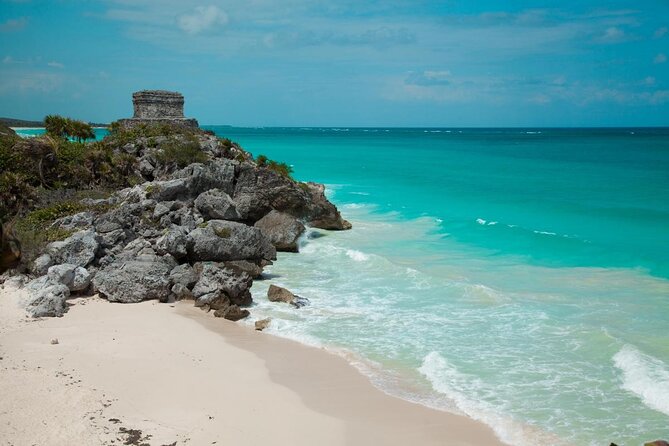
- Marine reserve near Cozumel for coral and colorful fish sightings
- Guide-led ecosystem talk that can make the reef feel more meaningful
- Budget for extras: equipment rental, plus marine park fees per day per person
Cozumel’s reef setup: why this route works for a two-tank schedule
Cozumel is one of the easiest places in the Caribbean to do a reef-focused scuba day without overcomplicating your logistics. This outing is built around two underwater sessions with boat transport from the island, so you get real time in the water without dragging the day into a full marathon.
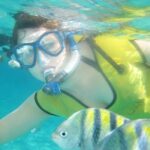
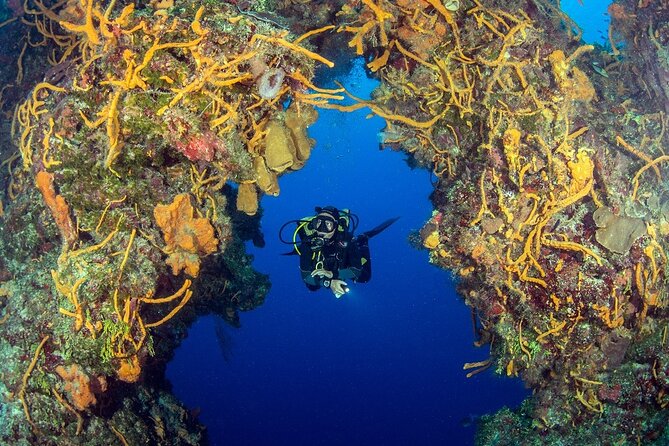
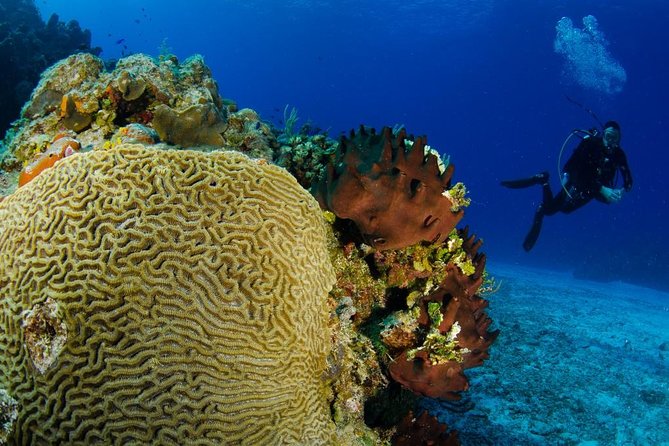
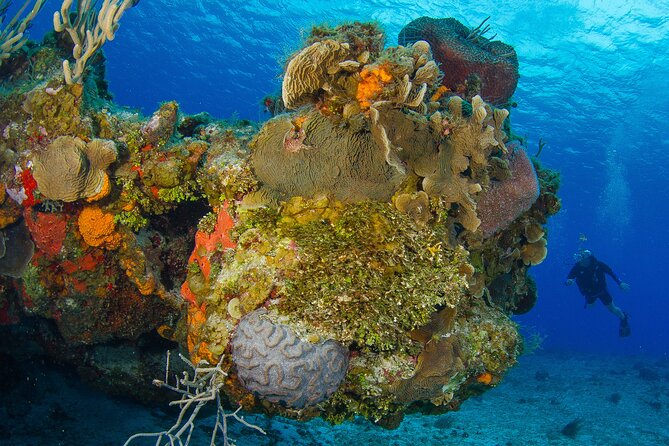
What you’ll likely care about most is what the reef looks like when you arrive. Guides in this program are aimed at spotting fish and coral, and the setting is the National Marine Park area near Cozumel, which helps explain the steady reports of coral structure and good visibility.
Cozumel conditions can include current, especially when you’re in certain reef zones. Some people have described wall-type or current-friendly spots where the water movement makes it feel less work and more glide, but you still need to be comfortable with the idea that conditions can change.
This is also a “certified” outing by design. That means you’re not paying for a long lesson. Instead, the operator expects you to already know your basic gear handling, buoyancy, and safety habits.
If you like having a clear plan, this two-tank structure fits. If you want the longest possible underwater time with lots of surface lounging, you may feel the day is tight.
You can also read our reviews of more tours and experiences in Cozumel.


Where you meet: Pro Dive International Occidental Cozumel and what to do first
Your start point is at Pro Dive International Occidental Cozumel (Occidental Cozumel). That matters because some cruise passengers assume the operator will handle pickup from the cruise terminal or ferry landing. It doesn’t. Transportation from those terminals is listed as not included, so you should plan on a taxi or other local ride to get there on time.
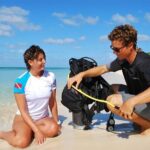
Once you arrive, you’ll do the usual pre-water steps: paperwork, gear check, and fitting. The trip includes tank and weights, so you’re not paying twice for the core scuba basics. If you rent equipment, that’s an extra cost (more on that later).
Because the group is capped at 6, check-in tends to go faster than big-booth experiences. Still, you’ll want to arrive with enough time to get through gear prep without rushing.
One practical tip: if you’re using your own gear, it’s smart to confirm everything is functioning smoothly before you leave your hotel. There’s at least one report of equipment issues like leaks and saltwater in the mask on a different outing, so treat the gear part like it’s part of the adventure prep, not an afterthought.
Also bring your certification proof with you. The program states evidence of dive certification is required for participation.
The actual schedule: what the two underwater sessions look like
The plan is a 4-hour outing on paper, starting at 12:00 pm. But here’s the real-world detail that’s worth respecting: multiple reports describe a later start, including a start around 1:00 pm and other trips that began closer to 12:45. That’s not a minor tweak. It can change your entire day if you’re trying to catch a cruise ship.
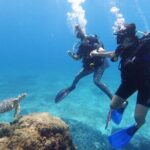
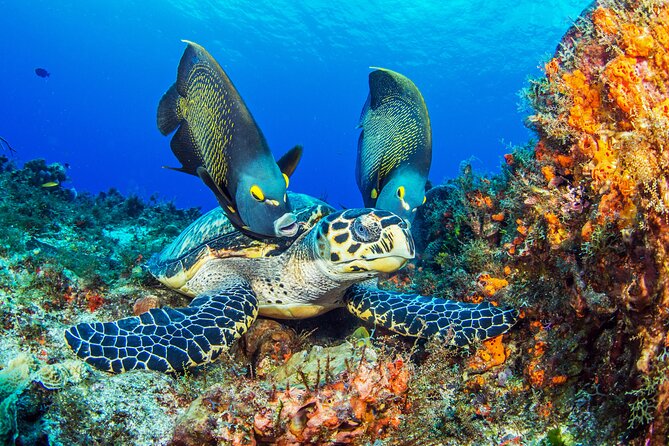
What you can expect once you’re underway is two underwater sessions with boat support between them. The highlight description points to coral reef and colorful fish in the marine reserve near Cozumel, which is exactly the sort of environment where a good guide can make a difference.
Session #1 is usually about getting you settled and oriented: feeling buoyancy again, finding the rhythm with the group, and then starting to work through reef features. Many divers report seeing coral structure and plenty of fish quickly, which suggests the sites are chosen to deliver early visual payoff.
Session #2 tends to build on that. If current is a factor, this is where you might see more movement-oriented reef profiles. Some people mention wall-type areas and pass-through swimming experiences, which can be a nice change from simple coral gardens.
Here’s what I recommend you do mentally: treat the second session as a bonus, not your only chance. If your first session is already great, you’ll have a better day. If you’re chasing one specific scene, you can get disappointed if conditions shift.
Boat ride and reef time: what matters for comfort and safety
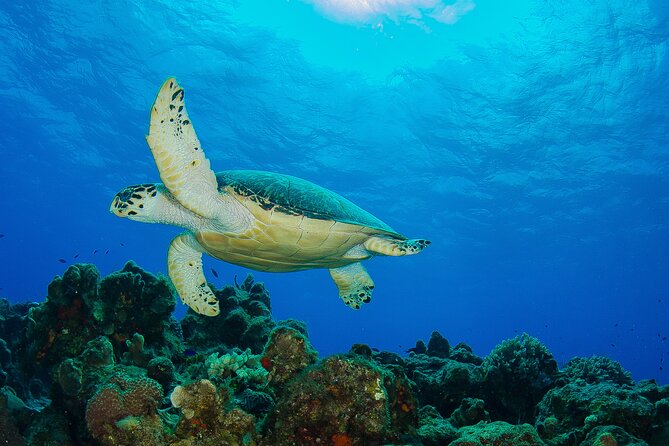
You’ll take a boat to your underwater sites, and that’s included. Boat time isn’t the main event, but it affects your day. It also affects how you’ll feel once you step back in the water—boat motion can make some people feel off balance.
Because this is a certified outing, the operator will still require health screening. You’ll need to complete a health questionnaire prior to scuba. If you have medical conditions like asthma or heart issues, the trip notes that some people may not be able to participate and you should consult your doctor.
You should also consider travel timing if you’re flying. The program says diving within 24 hours of flying isn’t recommended. For your planning, that means build at least a day of wiggle room if your schedule is tight.
If it’s been more than 12 months since your last underwater session, you may have to do a refresher, and it could cost extra. That’s common practice in many scuba programs, and it’s also a good safeguard for your own comfort.
Physical fitness matters too. The trip lists moderate physical fitness as a requirement. That typically means you can manage entry/exit and movement without being wiped out.
Gear and the real cost: equipment rental and marine park fees
The listing includes tank and weights, plus guide support and boat transportation. Equipment rental is not included, and it’s listed at USD 42. If you already own your mask, fins, and regulator, you may save money and reduce the risk of fit problems.
Then comes the extra cost most people forget until the last minute: marine park fees. The trip lists USD 8 per day per person, and it’s subject to changes. This fee is separate from the base price, so you should calculate your total before you commit.
The base price is $110 per person for the two-tank outing. For a certified, small-group plan with boat transport and two underwater sessions, that can be fair value—especially compared to bigger operators where you trade price for chaos and longer surface waiting.
But the math changes if you need rental equipment and you’re paying per-person park fees too. For cruise passengers, add taxi time as well. Since transportation from ferry/cruise terminals isn’t included, you might spend another chunk just getting to the meeting point.
My advice is simple: price it out with your exact situation—do you rent equipment, do you need a taxi, and how much extra time do you need to safely make it back to your ship.

The people factor: what the guides get right
The best scuba days are usually about the person leading them. In these trips, guides are repeatedly praised for being professional, friendly, and focused on helping divers see and understand what they’re looking at.
Names that come up in the experience include Andres, Camille, Nanou, Jolien, Pepe, Kacie, Max, Angie, and Louis. That spread matters because it suggests the operator keeps a team of guides who can handle different skill levels and group dynamics.
What you’ll likely appreciate from a good guide is not just pointing at fish. It’s pacing. It’s keeping everyone close enough to stay safe while still letting you enjoy the reef. It’s also communicating what you’ll see so the reef feels like a story instead of random scenery.
Some guides also pair well with partners who snorkel. One report mentions a spouse snorkeling with their own guide while the other person went underwater, which is a helpful reminder for couples who don’t always share the same comfort level.
On the flip side, one report raises questions about equipment condition and how a group was handled when strong currents appeared. You can’t control ocean conditions, but you can control whether you feel comfortable with the team’s readiness. If you’re sensitive to currents, ask what the usual conditions are and be honest about your comfort level.
Timing and cruise reality: how to avoid the all-aboard stress
This is the part that can make or break your day.
The start time listed is 12:00 pm, but you should treat that as a best-case scenario. Reports include start times around 12:45 and 1:00 pm, and at least one case where the full excursion ran closer to 5 to 5.5 hours instead of 4. That mismatch is enough to create a problem if you’re on a cruise with a hard all-aboard deadline.
If you’re traveling by ferry, timing still matters, but cruises are the strictest. You can’t just take the next taxi when the ship is leaving.
So here’s my practical recommendation:
- If you’re on a cruise, add a serious safety margin. Don’t plan to be back with 30 minutes to spare.
- Build your transportation from the cruise terminal to the meeting point into your mental schedule.
- When you confirm your day, ask for the most realistic return time. Then plan as if it’s later.
Also watch local time vs ship time. At least one report points out confusion between ship time and local time.
This outing can be great, but it’s not the kind of activity you want to gamble on when you have a fixed departure.
Who this is for (and who should pick a different option)
This plan is built for certified scuba participants. If you hold PADI Open Water or equivalent, you’ll be in the right category.
It also fits divers who like smaller groups. A maximum of 6 travelers means you get more attention during check-in and gear setup. It’s a good match for couples, friends, and family groups where everyone wants to feel included without waiting forever.
Age-wise, the minimum age is 10 years. That’s helpful if you’re traveling with a kid who’s actually certified.
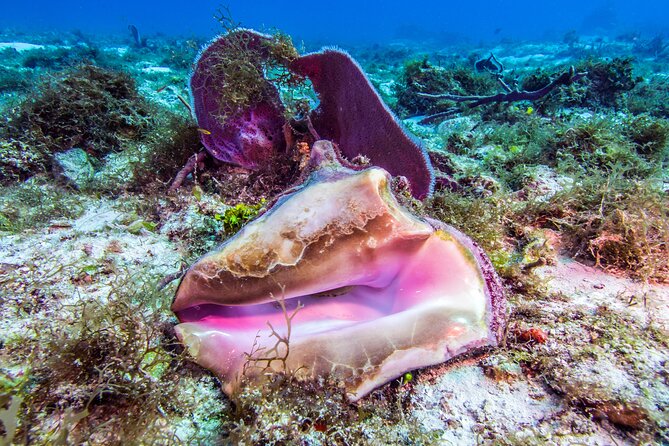
It’s also a good fit for people who want coral and fish without adding extra complexity. The highlight focus is reef life in the marine reserve near Cozumel, and the guide commentary is part of the appeal.
Pick a different option if:
- You need a super tight schedule for a cruise and you can’t add buffer time.
- You’re not comfortable with possible strong currents, since ocean conditions can affect how the day feels.
- Your last scuba experience was more than 12 months ago and you want to avoid possible refresher costs.
Should you book this Cozumel two-tank scuba outing?
If you’re a certified diver who values reef viewing, small group pacing, and guide-led marine talk, this outing is easy to like. The reports of clear water, coral structure, and guides like Camille and Andres point to the kind of experience that turns a normal scuba day into a memorable one.
But don’t book this if your schedule is fragile. The biggest risk isn’t the reef. It’s timing—especially if you’re trying to make it back to a cruise ship.
My call: book it when you have flexibility and can reach the meeting point without stress. If you’re on a cruise, treat start and end times as fluid and plan like you’ll be later than the listing.
If you want, tell me your travel month and whether you’re on a cruise. I can help you think through a realistic time buffer and what to watch for when you confirm your day.
FAQ
What scuba certification do I need?
You must hold a minimum PADI Open Water certification or equivalent to participate in this certified scuba outing. You’ll be required to show evidence of your certification.
What’s included in the price?
The experience includes a professional guide, boat transportation, two underwater sessions, and tank & weights.
How long is the outing?
The tour duration is listed as about 4 hours.
What’s the meeting point and start time?
The meeting point is Pro Dive International Occidental Cozumel. The start time is listed as 12:00 pm, and the activity ends back at the meeting point.
Is equipment rental included?
No. Equipment rental is not included and costs USD 42.
Are there marine park fees?
Yes. Marine park fees are USD 8 per day per person, and they may change.
What’s the minimum age?
The minimum age is 10 years.
Do I need to fill out any health paperwork?
Yes. You’ll be required to complete a health questionnaire prior to diving. The trip also notes that some medical conditions may prevent you from diving.
Can I cancel for a refund?
You can cancel for a full refund if you cancel at least 24 hours before the experience’s start time. If you cancel less than 24 hours before, you won’t receive a refund.
Is there a group limit?
Yes. The experience has a maximum of 6 travelers.