REVIEW · COZUMEL
Discover Diving in the Reefs of Cozumel
Book on Viator →Operated by Aquasafari Dive Shop · Bookable on Viator
Cozumel makes first-time scuba feel possible. You get patient, step-by-step coaching and a guided plan that starts simple on land and builds your comfort before you head to the reef. I like the small-group size, so you’re not just a number in a lineup, and I also like that the operator includes nearly everything you need to get going.
The biggest drawback to keep in mind: the reef day runs on timing and paperwork. One past guest complained about departure issues tied to vouchers, so show up early (and have your mobile ticket ready) to avoid stress when the boat is getting ready.
In This Review
- Key highlights before you go
- First-time scuba in Cozumel’s warm, clear water
- Where you meet and how the day runs (12:00 start)
- What you actually learn before you touch the reef
- Gear included: what you get and why it matters
- The training flow: from beach skills to confidence
- Paraiso Reef: the underwater part stays beginner-friendly
- Reef snorkeling time: seeing the coral without pressure
- Wildlife moments: why instructors’ patience gets rewarded
- Price and value: what $110 buys you, and what costs extra
- Small-group comfort: max 4 and English instruction
- Who should book this experience (and who should skip it)
- Practical tips so the day stays smooth
- Should you book this first-time scuba experience?
- FAQ
- How long is the experience?
- What time does the activity start in Cozumel?
- Where do I meet for the tour?
- What reef location do you go to?
- What is the maximum depth during the single-tank underwater session?
- What equipment is included?
- Is there an extra reef tax?
- Is the tour okay for people with respiratory conditions or after surgery?
Key highlights before you go
- Small group limit of 4 means you get more hands-on attention when you’re learning.
- Instructor-led training with lots of practical guidance until you feel confident.
- Max depth of 40 feet during the single-tank reef session, keeping it focused for beginners.
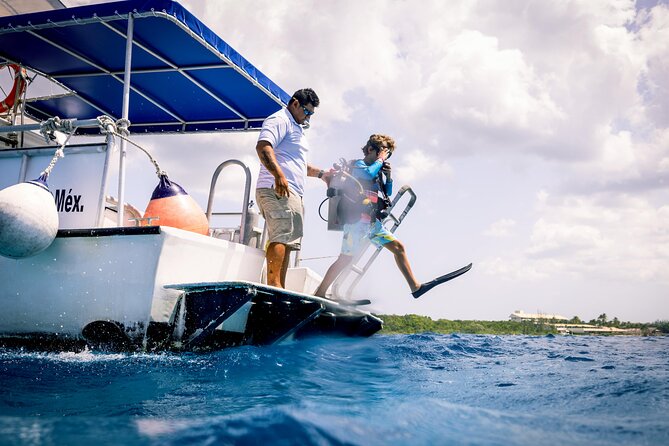
- Gear is included (BCD, regulator, fins, visor, and a scuba suit style setup).
- Boat transfer + locker + towel are built into the experience, so you travel lighter.
- Paraiso Reef is the star stop for the underwater portion, with the captain choosing the best snorkeling spot.
First-time scuba in Cozumel’s warm, clear water
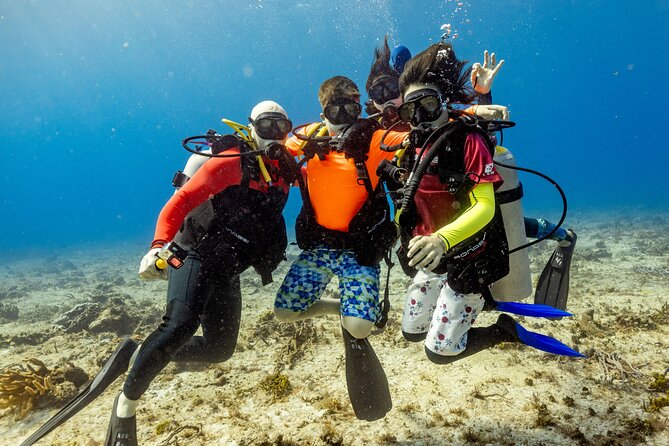
Cozumel is a smart place to learn because conditions are usually friendly for new scuba students: warm water, good visibility, and a reef environment that makes the effort feel worth it. You’re not just doing theory and calling it a day. The goal is comfort first, then skills, then the fun part.
What I really like is the tone of the experience. It’s built around mastering basics before anyone rushes you into deeper water. You’ll practice on-site and only move forward when your instructor feels you’re ready, which matters a lot when you’re nervous.
You should also know this is structured for people with some comfort moving and staying steady in water. It’s not recommended if you have respiratory conditions, and it’s not a good idea after recent surgeries. If that’s you, it’s better to ask for alternatives before you pay.
You can also read our reviews of more scuba diving tours in Cozumel
Where you meet and how the day runs (12:00 start)
You meet at Cozumel Palace All Inclusive Resort on Av. Rafael E. Melgar in Centro. The activity starts at 12:00 pm local time, and the practical advice is simple: arrive 30 minutes early for registration so you’re not starting your trip stressed.
This tour ends back at the meeting point, which is convenient if you’re using local transport or already parked yourself near Centro. It’s also offered in English, which helps when you’re still learning terms like equipment functions and basic hand signals.
The experience typically takes about 4 hours 30 minutes, which is a good length for a first-timer course. Long enough to learn and enjoy the reef, but short enough that you’re not stuck out all afternoon if you get tired.
What you actually learn before you touch the reef
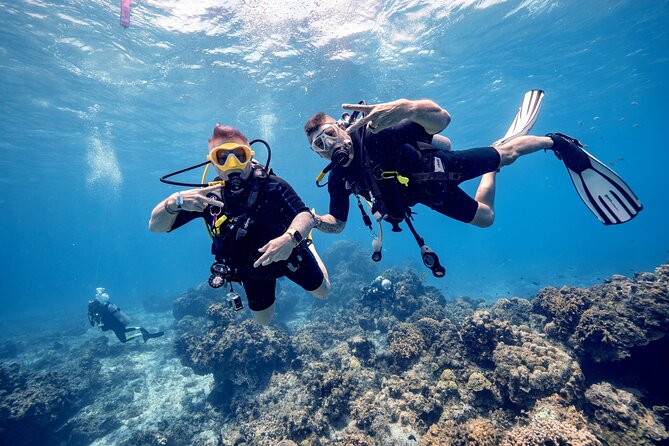
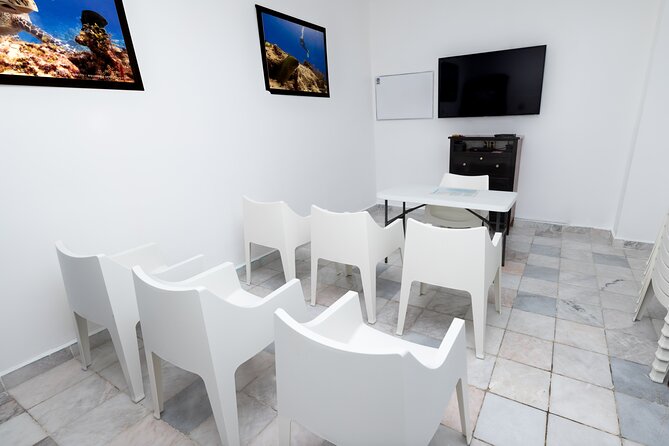
The day includes a theoretical class and then a practical class, and both are meant to connect the dots fast. Instead of dumping information, the instructor gets you ready with the stuff you need immediately: how to use your gear, how to breathe with it, and how to move without fighting your equipment.
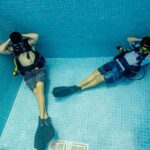
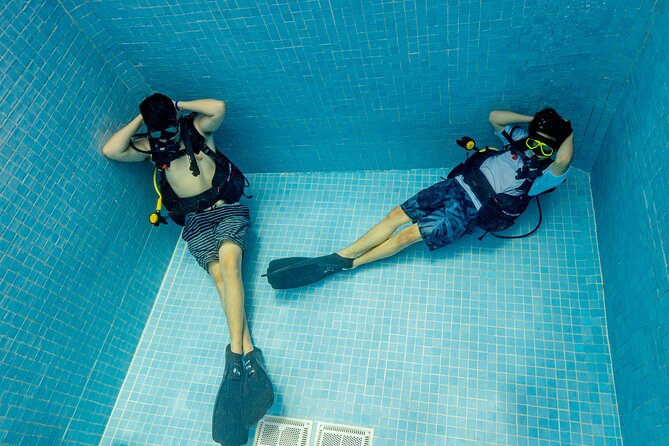
Then the training continues in a practical setting that can be in a pool or in the sea, depending on conditions and what the team thinks is best that day. Either way, you’re not thrown straight into open water.
This approach is one reason beginners often feel better here. Instructors can spot what you’re doing wrong and fix it while you’re still close to shore or in controlled conditions. That saves you from developing bad habits that later feel hard to unlearn.
Gear included: what you get and why it matters
One of the best value pieces is that you get complete equipment. You’ll be fitted with a BCD vest, regulator, fins, a visor, and a suit setup used for scuba training.
For first-timers, this is more important than it sounds. Renting equipment can turn into a confusing scramble, and wrong gear fit can make you feel awkward fast. Having it included means the operator is set up to handle beginner comfort and basic safety checks.
You also get bottled water, a locker, and a towel. These are the small logistics that keep the day smooth. You’re spending your energy on learning and enjoying the reef, not figuring out where to store stuff or where you can buy what you forgot.
The training flow: from beach skills to confidence
After the basics click, you put on your gear and practice on the beach first. Then you head out with your instructor once everyone is ready. I like this order because it helps your brain build a simple routine: gear on, adjust, practice, then progress.
The instruction is described as very guided, with a lot of practical coaching until you feel comfortable. That matches what you want as a nervous beginner. You don’t need speeches; you need clear cues and reassurance that you’re doing it right.
A useful way to think about it: you’re not just learning how to breathe underwater. You’re learning how to stay calm, move naturally, and follow a plan. The instructor’s job is to help you do those things before you’re far from the group.



Paraiso Reef: the underwater part stays beginner-friendly
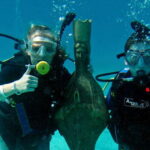
The reef stop for the underwater portion is Paradise (Paraiso) Reef. You’ll do a single-tank session with your instructor, up to a maximum depth of 40 feet.
That depth limit is a big part of why this is a good first experience. It keeps the session within a range where you’re more likely to feel comfortable, follow cues, and enjoy the reef without turning it into a long, exhausting project.
The plan also emphasizes that the captain will take you to the best location for snorkeling on the reef. That matters because reef topography isn’t one-size-fits-all. The crew can choose conditions that support what you came for: fish, coral, and a smooth day.
Reef snorkeling time: seeing the coral without pressure
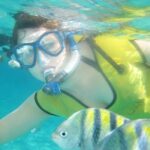
You’ll also have reef snorkeling time, guided by the captain’s choice of location. This is a smart pairing for people learning scuba for the first time. You get a chance to observe reef life from the surface without the same level of gear focus.
Even if you’re the cautious type, snorkeling can help you relax and enjoy the environment. And if you’re doing the underwater session successfully, snorkeling becomes a bonus rather than a new challenge.
From the perspective of someone planning a trip, this is a nice balance. You get at least one structured underwater experience plus extra reef time for photos, watching behavior, and enjoying the coast vibe.
Wildlife moments: why instructors’ patience gets rewarded
The strongest praise in the feedback is about instructors making beginners comfortable. One guest highlighted instructor Vanessa and described how patient she was when nerves kicked in. That guest also said scuba felt easier than snorkeling at first, and they went back during a 7-day stay for another boat outing with Vanessa.
Another guest wrote about instructor Fernando, saying the experience felt easy and well explained, first with pool training and then in the sea. That same theme shows up repeatedly: clear communication, a calm pace, and coaching that doesn’t treat first-timers like they should already know it all.
Now, a quick reality check: wildlife sightings aren’t guaranteed. But when you combine good instruction with a capable captain choosing conditions, you dramatically increase the odds you’ll see something memorable. And on a good day around Paraiso Reef, you can expect plenty of fish and coral variety, plus possible surprises.
Price and value: what $110 buys you, and what costs extra
The listed price is $110 per person, and the value is actually solid when you look at what’s included. You get theory + practical instruction, complete equipment, boat transfer, bottled water, a locker, and a towel. That’s not just the underwater part; it’s the whole beginner setup and support system.
The one extra cost to plan for is the reef tax (marine park) at $15 USD. It’s paid by credit or debit card, and it’s not included in the base price. I recommend budgeting for it ahead of time so you’re not hunting for a card while everyone else is getting geared up.
Because this is a small-group format (max 4), the price can feel more reasonable than bigger, busier operations. You’re paying for attention, coaching, and the equipment system that’s designed for new scuba students.
Small-group comfort: max 4 and English instruction
A group limit of 4 travelers changes the whole learning atmosphere. You’re more likely to get feedback on your positioning, your breathing rhythm, and your equipment adjustments. That’s hard to deliver well in larger groups.
The experience is offered in English, so you’ll get explanations and cues without needing to guess meanings. For first-timers, that clarity is huge. It reduces anxiety because you’re not wondering whether you misunderstood a signal.
If you prefer a calmer environment and you’d rather ask a few extra questions than “figure it out,” this format is a good match.
Who should book this experience (and who should skip it)
This is best for people who want a first scuba experience with structured coaching. If you’re curious but nervous, the instructor-led approach and stepwise confidence-building are exactly what you’re looking for.
You should also have at least moderate physical fitness, since you’ll be moving through gear, getting comfortable in the water, and learning coordination under supervision. It’s not recommended for people with respiratory conditions, and it’s not recommended for people with recent surgeries.
If you’re unsure, the practical move is to consider whether you can comfortably manage water exposure and follow instructions calmly. If yes, you’re likely in the right category.
Practical tips so the day stays smooth
First, show up early. The schedule starts at 12:00 pm, and registration needs that extra buffer. With something as gear-and-boat dependent as this, early arrival is your best stress reducer.
Second, bring what the experience asks for: swimsuit and comfortable clothing. You’ll want clothing you can change into quickly, especially if you’re dealing with sun and saltwater.
Third, keep your mobile ticket accessible on your phone. There’s no room for scrambling when the group is preparing to move. One past comment pointed to problems when vouchers weren’t handled smoothly, so make it easy for staff to verify you.
Finally, keep your expectations realistic. You’re learning, not training for a certification. The aim is a safe, beginner-friendly session and a strong sense of what scuba feels like in Cozumel.
Should you book this first-time scuba experience?
I think this is a smart booking if your goal is a guided first scuba experience with gentle progression, a small group, and instruction that focuses on comfort. The combination of included gear, practical coaching, and a max depth plan for the underwater session is a clear recipe for beginners to succeed.
Book it if you want to see the reef life around Paraiso Reef and also get snorkeling time chosen by the captain. Skip it (or ask questions first) if you have respiratory issues, recent surgery concerns, or if you’re not comfortable with moderate physical effort in water.
If you pick the right day, arrive prepared, and take the instructor’s coaching seriously, you’ll likely leave with the reef in your memory and a better idea of whether scuba is your thing.
FAQ
How long is the experience?
It runs about 4 hours 30 minutes.
What time does the activity start in Cozumel?
It starts at 12:00 pm local time.
Where do I meet for the tour?
You meet at Cozumel Palace All Inclusive Resort on Av. Rafael E. Melgar, Centro, 77609 Cozumel, Q.R., Mexico.
What reef location do you go to?
The underwater stop is Paradise (Paraiso) Reef.
What is the maximum depth during the single-tank underwater session?
The session goes to a maximum of 40 feet deep.
What equipment is included?
You receive complete equipment: BCD vest, regulator, fins, visor, and a scuba suit setup used for the activity.
Is there an extra reef tax?
Yes. The reef tax (marine park) is $15 USD and is not included. It’s paid by credit or debit card.
Is the tour okay for people with respiratory conditions or after surgery?
It is not recommended for travelers with respiratory conditions or for people with recent surgeries.