REVIEW · COZUMEL
E-Surf Lessons
Book on Viator →Operated by Reckless e-surf Cozumel · Bookable on Viator
Learning e-surf beats most shore fun. In Cozumel, you get a guided E-Surf lesson that starts on land, moves into the water, and then gives you time to ride—without feeling thrown in cold.
I especially like the way the session builds balance fast: there’s a land lesson plus a short demonstration, then you’re out there putting the techniques to work. I also like that instruction is offered in English and the group stays small (up to 15), which matters when you need quick, practical corrections.
One drawback to consider: e-surfing depends heavily on good weather, and if conditions or equipment act up, the experience can turn frustrating. I’d also strongly recommend wearing a rash shirt—one rider got scraped up after not wearing one.
In This Review
- Key things to know before you go
- Cozumel E-Surf Lessons: What Your 90 Minutes Actually Covers
- Meeting at La Monina: Getting Started at the Right Place
- Land Lesson First: Why the Basics Matter Before You Hit the Water
- In-Water Coaching: Riding With Real Feedback
- Time to E-Surf: How the Session Flows After Instruction
- Weather, Safety, and What to Bring (Especially a Rash Shirt)
- Price and Value: Is $160 Worth It in Cozumel?
- Who This E-Surf Lesson Is Best For (And Who Should Rethink It)
- Practical Tips to Get the Most Ride Time
- Should You Book Reckless e-surf Cozumel?
- FAQ
- How long is the e-surf lesson and riding time?
- Where do I meet for the lesson?
- Is instruction offered in English?
- Do I need prior e-surfing experience?
- What’s the maximum group size?
- What happens if the weather is poor?
- What’s the cancellation policy?
- Are service animals allowed?
- Do I get a ticket on my phone?
Key things to know before you go

- 90 minutes, with about 30 minutes of instruction/demo before your riding time
- English instruction with hands-on coaching in land and water phases
- Small groups (max 15), so you can get attention when you need it
- Rentals are returning-customer only unless you can show prior e-surf proof
- Good weather required, with an alternate date or full refund if canceled
- Bring a rash shirt to protect your skin when things get a little wobbly
Cozumel E-Surf Lessons: What Your 90 Minutes Actually Covers
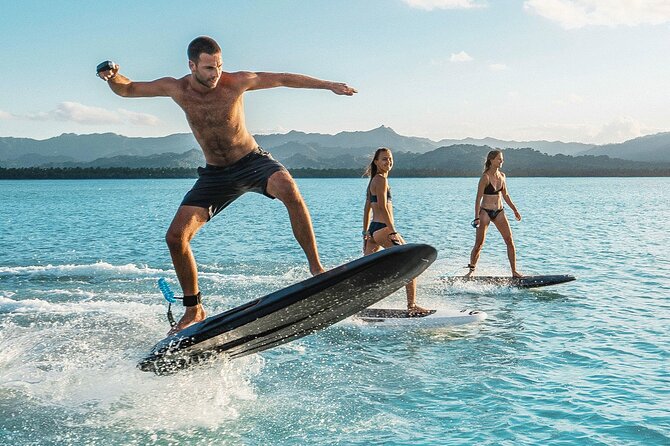
This is a focused, do-the-thing experience. You’re not signing up for a long lecture or a scenic stop with a surfboard-shaped souvenir at the end. The total time is about 1 hour 30 minutes, and the session is split into two clear parts: learning, then riding.
The first chunk is your lesson. The coaching happens on land and in the water, and there’s also a demonstration as part of that training. Together, that training and demo add up to around 30 minutes. After that, you’re ready to spend time e-surfing, with extra help available if you want it—or if you need it.
That structure is the big value. You get enough time to learn the basics, then you’re not left watching everyone else ride while you wait for a second chance.
You can also read our reviews of more tours and experiences in Cozumel



Meeting at La Monina: Getting Started at the Right Place
You meet at La Monina, on Av. Rafael E. Melgar s/n, Centro, 77600 Cozumel, Q.R., Mexico. The activity ends back at the same meeting point, so you’re not dealing with complicated transfers or “meet us somewhere else later” energy.
Check-in is simple: you’ll receive a mobile ticket when you book, and you’ll show that at the start. If you’re using public transportation, this spot is close to it, which is handy in Cozumel where timing matters.
Because the group is capped at 15 people, plan to arrive with a little buffer. In short lessons, being late can shrink your riding time fast.
Land Lesson First: Why the Basics Matter Before You Hit the Water
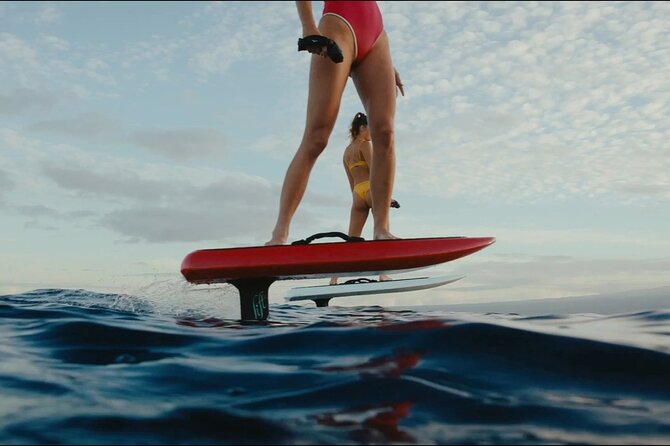
The lesson begins on land, and that’s a good sign. A lot of surfing experiences jump straight to chaos on the water. Here, you’ll be taught how the board works and how to handle your body position before you’re dealing with waves and balance at the same time.
This is where you’ll learn the methods and techniques that make e-surfing click. One coaching moment that really stuck for me is how fast skilled instructors can turn confusion into action. In at least one case, instruction from Nick led to standing on the board and learning to ride within minutes, even when the weather wasn’t perfect.
On land, your job is to listen closely and practice the basics. If you leave this step half-understood, you’ll feel it later. E-surfing isn’t just about bravery; it’s about setup and control.
In-Water Coaching: Riding With Real Feedback

After the on-land practice and demonstration, you move into the water. This is the part that turns a lesson into a real skill.
The experience is designed so you’re coached not only when you’re struggling, but also when you’re figuring it out. The best moments tend to happen when you get immediate feedback on things you can actually change quickly—stance, balance, turning, and how you position yourself while moving.
You should also know that coaching quality can make or break the session. In one unfortunate situation, an instructor named Michael started late, and the group spent extra time waiting while boards had issues. That rider’s main complaint wasn’t the concept—it was the lack of active help at the moment they needed it most. It’s a reminder that e-surfing is technical, and you want staff who stay focused on the group once you’re in the water.
Time to E-Surf: How the Session Flows After Instruction
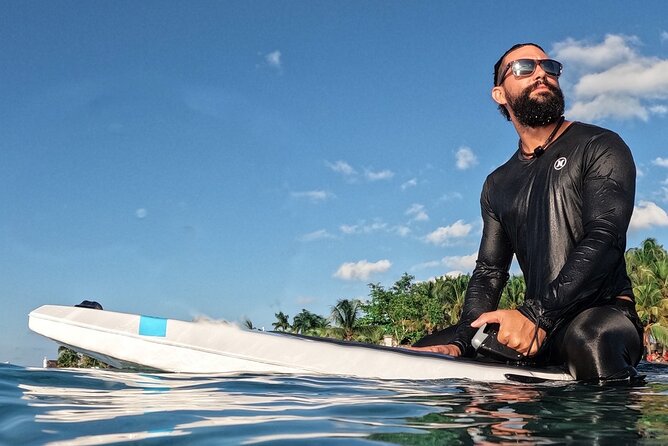
Once the lesson is complete, you spend your remaining time e-surfing. Extra help is provided if necessary or if you want it, which is exactly what I look for in a first-time setup.
This part matters because it’s your chance to do more than pass a test. You’re trying to build muscle memory. You’ll likely spend time:
- getting comfortable with the board’s feel
- practicing turns and maintaining balance
- working on your control at water level, not just in calm moments
Also note the training-to-rental rule. If you’re a returning customer, rentals are available for you. But for first-timers, you generally need to participate in the lesson before you can rent—unless you can show proof of prior e-surfing. That policy helps keep things safer and more consistent for everyone.




Weather, Safety, and What to Bring (Especially a Rash Shirt)
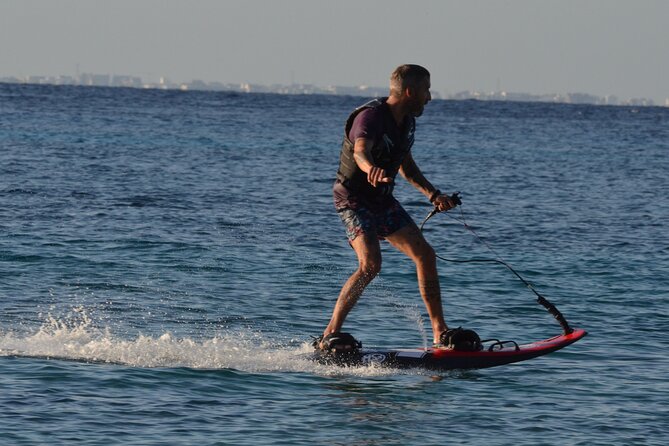
E-surfing is weather-dependent. The experience requires good weather, and if it’s canceled due to poor conditions, you’ll be offered a different date or a full refund. That’s not a small detail—on the water, wind and rough conditions can affect both safety and ride quality.
Even if the weather isn’t ideal, the experience can still be fun. One rider noted that the weather wasn’t the best, yet the session remained enjoyable and the instruction helped them ride quickly. Still, if weather turns, you might get less time riding or the session may shift depending on what the team can safely manage.
Here’s what you should pack for comfort and skin protection. One review mentioned getting bloodied after not wearing rash shirts. I take that as a clear signal: bring a rash shirt (or a similar protective layer). It’s a simple move that can save you a lot of misery.
In general, you should also come ready for being in the water and getting a bit of movement-based exercise. This is active sport, not a sit-and-look-around event.
Price and Value: Is $160 Worth It in Cozumel?

At $160 per person, you’re paying for more than just the board time. You’re paying for instruction that covers land setup, a water demo, and then supervised riding time. In other words, the price includes the coaching step that helps you actually learn the technique.
The best value angle here is the time structure. About 30 minutes is dedicated to teaching and demonstration, and then you get time to ride right away. That’s why this fee feels fair compared with experiences that either:
- give you a short lesson and then dump you out there with little help, or
- take a long time to get to the water but don’t offer enough actual ride time
The small group size also supports the value. With up to 15 people, you’re not stuck waiting behind a huge line of novices. And because e-surfing is technical, attention matters.
That said, value depends on execution. When the session runs smoothly, it’s a strong deal. When equipment or timing goes sideways, you’re paying for an outcome (riding), so delays can hurt more. I’d go in expecting that a good day will feel worth it—and a rough day can be adjusted, especially since weather can trigger a refund or date change.
Who This E-Surf Lesson Is Best For (And Who Should Rethink It)
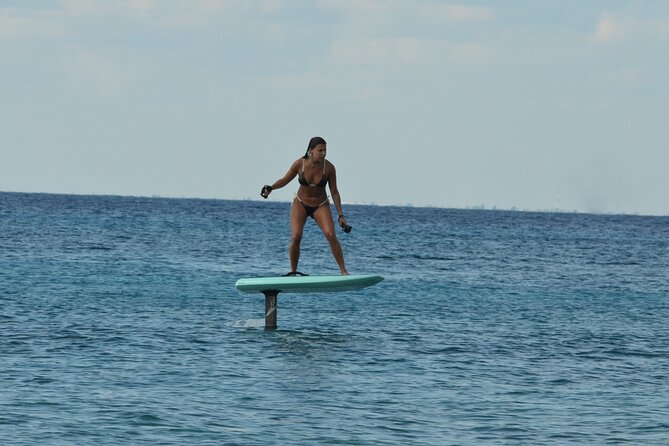
This works for most people and is rated highly overall, with a 4.9 rating and a recommendation rate of 98%. That tells me most first-timers leave with the outcome they came for: standing up, learning, and riding.
This is a great match if you:
- want a straightforward first lesson without a long learning curve
- like getting coached directly instead of guessing
- prefer a smaller group session
- are comfortable in water enough to practice balance
It may be less ideal if you’re an advanced wake-surfer hoping for a very complex, performance-focused session. One rider who was excited for wake-surf style performance was disappointed after delays and equipment problems, and they didn’t get to surf at all. If your main goal is advanced trick work, you may want to consider a more specialized style session instead.
It’s also a good option if you need clear structure. The land lesson first reduces the shock factor. And because you can ask for extra help during your ride time, first-timers aren’t left entirely alone.
Practical Tips to Get the Most Ride Time
These are the small choices that help your session go smoother:
- Listen hard during the land lesson. That’s where your success path is being built.
- Ask for help early in the water. If something feels off, speak up sooner rather than waiting.
- Wear a rash shirt. One bad friction moment can turn into a painful afternoon.
- Arrive with buffer time. With a fixed total duration, being late costs you ride time.
- Go in with weather flexibility. If the day isn’t great, remember the plan can shift or be rescheduled.
And one more thing: treat it like learning a skill, not like just transportation with a motor. The better you follow the method, the faster it clicks.
Should You Book Reckless e-surf Cozumel?
I’d book this e-surf lesson if you want a short, structured way to learn and then get actual time riding. The format—land + water lesson, then riding—is the reason it tends to feel satisfying instead of disappointing. The high rating and strong recommendation rate are a real signal that most people get what they paid for.
I’d think twice only if you’re extremely sensitive to schedule slip or if you’re expecting advanced, high-performance surf coaching. Also, don’t show up without a rash shirt—your skin will thank you.
If you can handle basic water practice and you’re ready to learn, this is a fun way to spend a Cozumel afternoon with hands-on coaching and real board time.
FAQ
How long is the e-surf lesson and riding time?
The experience runs for about 1 hour 30 minutes (approx.). The lesson includes land training and in-water practice plus a demonstration, totaling about 30 minutes, and then you get time to e-surf.
Where do I meet for the lesson?
You meet at La Monina, Av. Rafael E. Melgar s/n, Centro, 77600 Cozumel, Q.R., Mexico. The activity ends back at the same meeting point.
Is instruction offered in English?
Yes. The lesson is offered in English.
Do I need prior e-surfing experience?
You’ll generally need to participate in the lesson before you can rent. Rentals are for returning customers only, unless you can show proof of prior e-surfing.
What’s the maximum group size?
This activity has a maximum of 15 travelers.
What happens if the weather is poor?
The experience requires good weather. If it’s canceled due to poor weather, you’ll be offered a different date or a full refund.
What’s the cancellation policy?
You can cancel for a full refund up to 24 hours before the experience starts. If you cancel less than 24 hours before, the amount paid is not refunded.
Are service animals allowed?
Yes, service animals are allowed.
Do I get a ticket on my phone?
Yes. You’ll receive a mobile ticket.