REVIEW · SAN MIGUEL DE COZUMEL
From Cozumel: Double Tank Scuba Diving for Certified Divers
Book on GetYourGuide →Operated by Cha Cha Cha Dive Shop · Bookable on GetYourGuide
Cozumel’s reefs fit two tanks perfectly. I love the small group setup, and how Carlos and JP keep everything safe and straightforward. One catch: the National Marine Park entry is $12 USD per person, and it’s not included in the price.
I also like the way your underwater stops get picked each day based on weather, currents, and your comfort level. Visibility often runs 30 meters/100 feet or more, so you can actually enjoy the coral, drop-offs, tunnels, and swim-throughs instead of just surviving the water. Between the two sessions, you’ll usually get a fruit platter and lots of drinks.
In This Review
- Key things I’d watch for
- Meeting at Cha Cha Cha and heading out by speedboat
- What makes Cozumel’s reef choices work (weather, currents, and your level)
- Tank one: the first reef stop, briefing, and getting oriented fast
- The break between tanks: time to reset and snacks that don’t feel like an afterthought
- Tank two: swim-throughs, walls, and the kind of marine life you came for
- Guides, safety habits, and why the small group format matters
- Gear, what’s provided, and what you’ll likely want to bring
- Price and value: what $168 really covers, and what costs extra
- Who this tour fits (and who should skip it)
- Should you book this two-tank certified diver option?
- FAQ
- Do I need to be a certified diver?
- How many underwater sessions are included?
- How long is the tour?
- Where do you usually go for reef stops?
- Is the National Marine Park entry fee included?
- What gear is provided, and is rental available?
- What should I bring, and what’s not allowed?
- What’s the weather plan if it rains?
Key things I’d watch for
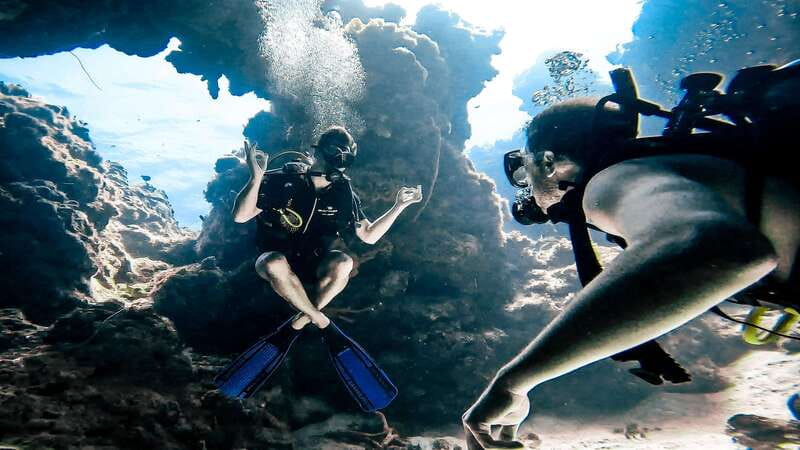
- Small crew (up to 6) means you get personal attention instead of feeling like a number.
- Two reef stops gives you more variety than one site, without turning your whole day into a marathon.
- Daily site selection aims for good conditions based on weather, currents, and diver experience.
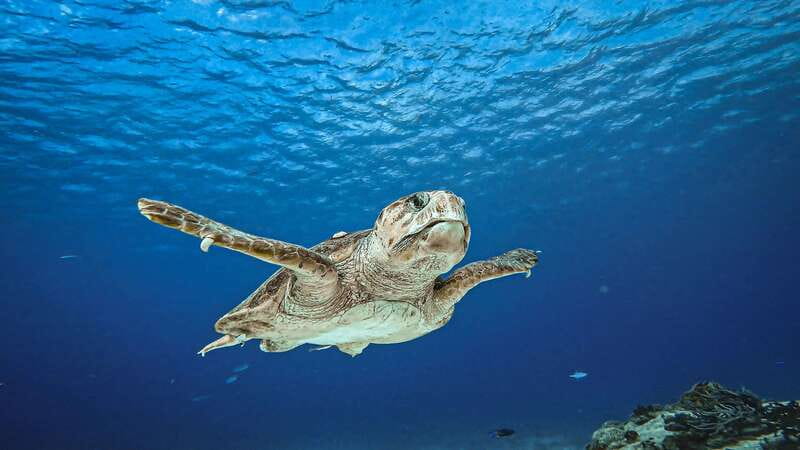
- Serious wildlife potential: turtles, rays, moray eels, nurse sharks, and lots of colorful reef fish.
- 30m-plus visibility is the dream scenario here, and it’s often realistic.
- Comfort breaks between tanks include time on the boat plus refreshments.
Meeting at Cha Cha Cha and heading out by speedboat
This trip starts at the Cha Cha Cha shop area in Cozumel. You meet in the waiting spot next to the drug store, and your guide finds you there. That part matters more than it sounds. If you’ve got a cruise schedule, you don’t want to be wandering around with wet hair and a confused face.
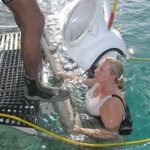
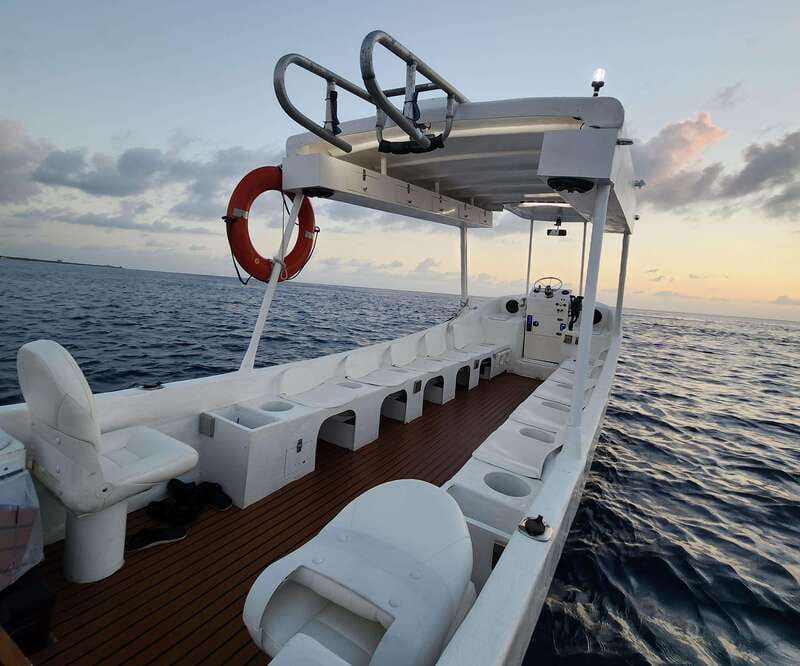
From there, you’ll board a speedboat for about 20 minutes. You’re not just getting transportation. That ride is also your chance to get mentally ready: strap in, check your gear setup, and listen for the safety tone from the crew. The whole outing is designed as a smooth 4-hour block, not an all-day production.
On the boat, you’ll have fresh water and sodas, plus light refreshments. In plain terms: it helps you stay alert before you gear up and again after you surface. If you’re the kind of diver who gets cold fast, keep in mind you’ll be out on the water with wind exposure, even if the sun is out.
You can also read our reviews of more scuba diving tours in San Miguel De Cozumel
What makes Cozumel’s reef choices work (weather, currents, and your level)
Cozumel is famous for its reef wall and top marine life, but the smart part here is how the operator chooses where you go. The two underwater stops are selected each day based on weather, currents, and diver experience. That’s not just a “nice-to-have.” Currents and visibility can change fast around the island.
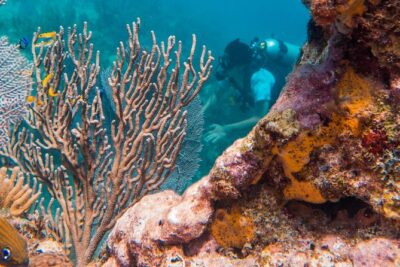
In many cases, the stops fall within the Arrecifes de Cozumel National Marine Park. That includes well-known areas such as Palancar Gardens, Santa Rosa Wall, and Colombia Reef. These names are exciting, but what you’re really chasing is the underwater structure: dramatic drop-offs, coral-covered tunnels, and swim-throughs where you can move slowly and let marine life come to you.
If you’ve ever been on a trip where everyone gets tossed onto the same site no matter what, you’ll appreciate this approach. It usually translates into better conditions for more people. I like that the plan isn’t one-size-fits-all.
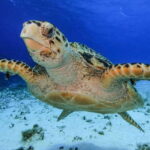
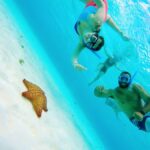
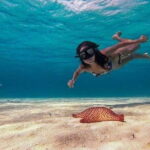
And yes, the marine life can be outstanding here. You’re set up for turtles, rays, moray eels, nurse sharks, and countless tropical fish. Your exact sightings depend on the day, but the habitat is the point, and the odds are strong.
Tank one: the first reef stop, briefing, and getting oriented fast
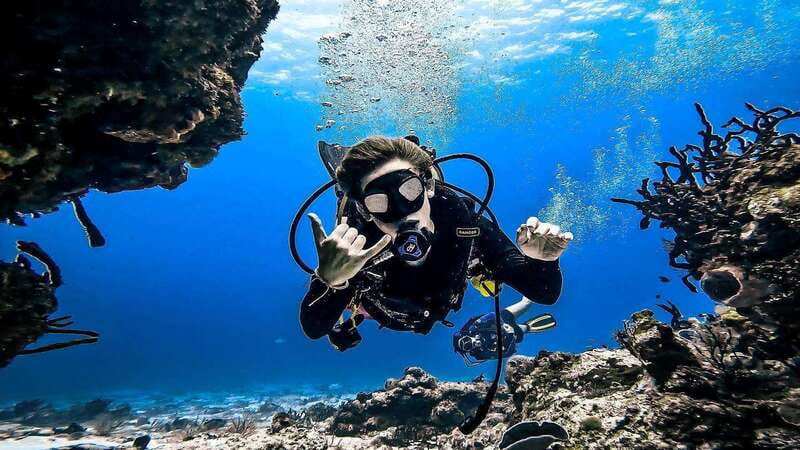
Your first underwater stop is about 45 minutes, and it starts with a safety briefing and marine life viewing. That order matters. You get the “how we do this” info before you’re underwater, when it’s easiest to remember and follow.
The reef scenery is built for divers who enjoy structure: coral gardens, walls, tunnels, and drop-offs are the kinds of features your instructor will help you spot and navigate. When visibility is running over 30 meters (100 feet), those features don’t just look nice in theory—they look clear, with room to appreciate what’s in front of you.
Wildlife sightings often start with smaller things: lots of reef fish working the coral. Then, as you settle in, larger animals can show up—things like turtles or rays. One reason people love this island is that the ecosystem is active. You’re not just hovering. You’re watching a living neighborhood.
If you’re certified and comfortable managing your air, the guidance style here can keep you relaxed. Group sizes are limited, and your instructor tailors the experience to skill level and preferences. I like that you’re not pressured into a rigid route. It’s more about smooth, safe enjoyment than checking boxes.
The break between tanks: time to reset and snacks that don’t feel like an afterthought
Between the two underwater sessions, you get a break for about 45 minutes. This is where good trip operators separate themselves. You need time to breathe, hydrate, and warm up a bit. After the first tank, that’s when small mistakes get tempting—like skipping water or rushing back onto the boat without fully regrouping.
In this case, the break is paired with refreshments. One review highlighted a fruit platter with mango, pineapple, and melon, plus cookies and plenty of drinks. That kind of food choice sounds simple, but it’s actually a smart move: fruit is easy to eat, and it doesn’t turn your stomach into a brick right after a saltwater outing.
You also get a buffer for organization. Sometimes people worry they’ll be rushed, especially if they’re on a cruise schedule. But the structure gives you time to reset and still keep the overall day moving.
If you’re prone to motion sickness, take note: the speedboat ride is relatively short, but you’ll be on the water twice. The break helps you feel human again before the second session.
Tank two: swim-throughs, walls, and the kind of marine life you came for
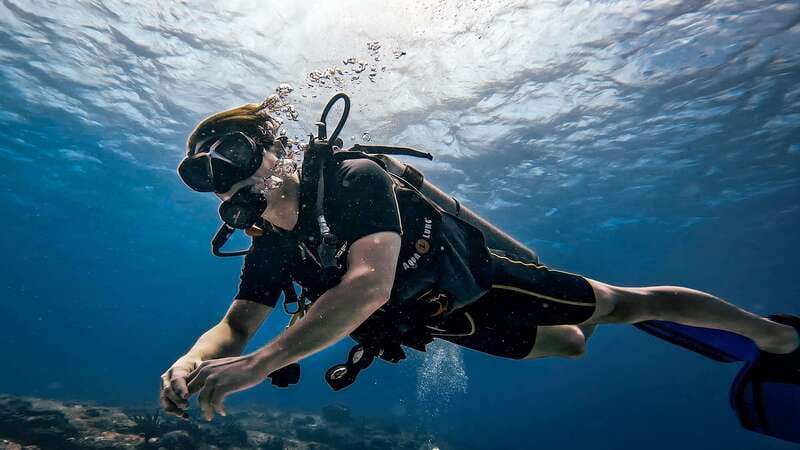
Your second stop is also about 45 minutes underwater. The operator again aims for the best conditions and reef match for the group that day, based on weather and currents. That’s how you can end up with a strong mix of scenery—like a garden-style area first and a wall or feature-heavy area second.
This is often the session where people get their favorite moments. You may see coral tunnels or swim-throughs where you can watch how the light filters through. Moray eels can be a highlight in the right spots, and rays and turtles tend to be consistent “possible” sightings in Cozumel’s habitat.
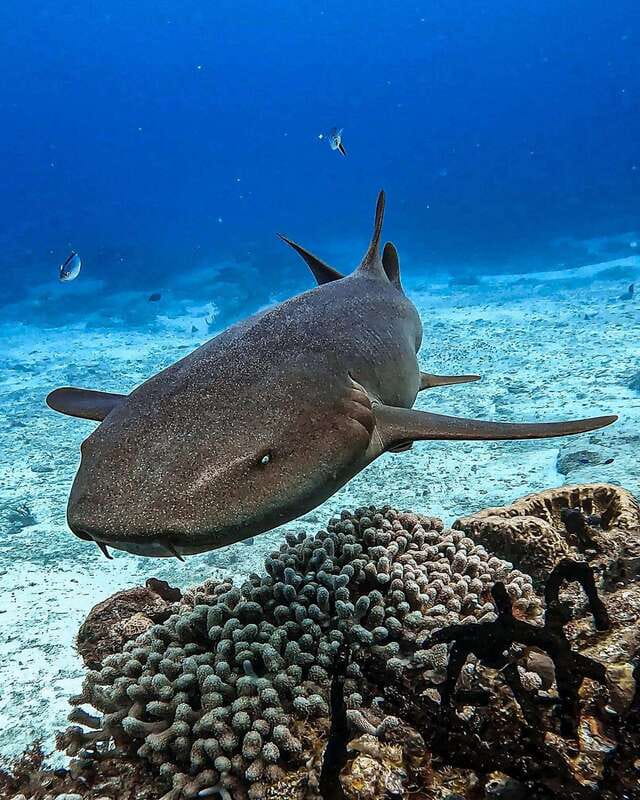
Nurse sharks show up at times too. Big lobster can appear as well. The point isn’t to promise specific sightings. It’s that the reef environment here is built for repeat wow moments, and you’re getting two chances instead of one.
Because the group is small, your instructor can keep an eye on buoyancy comfort, spacing, and pacing. That matters underwater. You don’t want to be stuck behind someone who’s fighting their gear, or ahead of someone who’s running out of confidence. Tailoring helps smooth out that whole dynamic.
By the end of the day, you should feel like you did more than “a tour.” You’ll likely feel like you explored two different faces of the same reef system.


Guides, safety habits, and why the small group format matters
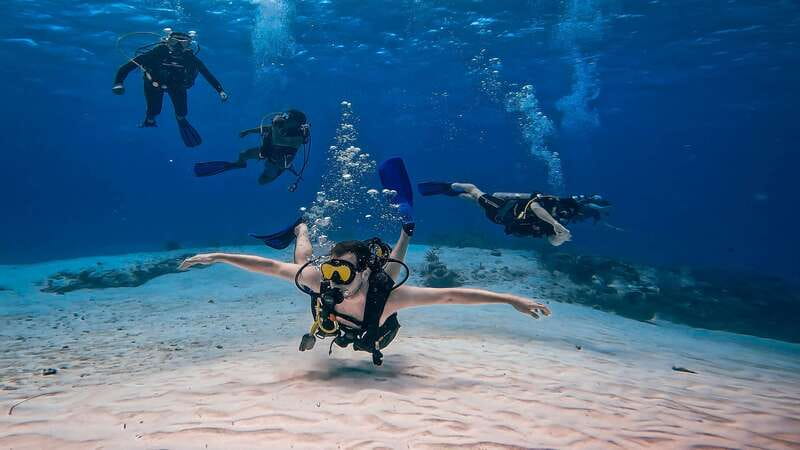
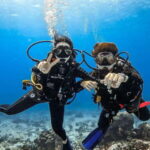
This outing is for certified divers, and it leans on experienced instruction to keep things safe and relaxed. Group size is limited to 6 participants, which is a big deal in practice. Smaller groups usually mean shorter waits for gear checks, less crowding, and more time for your instructor to notice how you’re doing.
You’ll also notice the communication style. One review mentioned strong attention from Juan Pablo, and another praised how JP (the owner) communicated well. Carlos was specifically called out for being an excellent instructor who tailored the sessions to the group’s experience and interests.
I like that this isn’t just about safety paperwork. It’s about making the experience feel personal. When your instructor can adjust the route, pacing, and how long you spend looking at a feature, you end up with a better match to what you actually enjoy—critter watching, coral structure, or just cruising without stress.
Also, this is a rain-or-shine setup unless the port closes due to heavy weather. So you should be comfortable with the idea that you’re planning for water conditions, not perfect sunshine.
Gear, what’s provided, and what you’ll likely want to bring
Tanks and weights are provided, and you’ll be on board with fresh water and drinks. That alone reduces the hassle of hauling bulky gear.
The listing says diving equipment isn’t included, but you can rent it. Reviews suggest the operator had wetsuits and BCDs available for the group, and equipment was in good condition. So in practice, you can often show up and get sorted quickly—just don’t assume you can walk in empty-handed with no plan.
Bring your passport or ID card. You’ll also need your diving certification. If you forget that, you’re stuck.
Also bring practical basics:
- Ponchos are available for purchase if you want one, since towels aren’t included.
- Wear gear that dries fast or plan to deal with damp clothing after you get back.
In the water, there are clear rules: no touching animals, no touching exhibits, and no weapons or sharp objects. That’s standard reef-respect behavior, and it’s good to see it spelled out.
Price and value: what $168 really covers, and what costs extra
The price is $168 per person for a 4-hour, two-tank certified diver experience. For Cozumel, that’s in line with the type of guided, small-group structure you want for maximizing comfort and minimizing chaos.
Here’s what you’re paying for, in real terms:
- Two separate underwater sessions instead of one.
- Certified instruction and safety briefings at the start of each session.
- Small-group attention (limited to 6).
- Boat logistics including the speedboat ride.
- Tanks and weights plus refreshments on board.
What’s extra: National Marine Park entry is $12 USD per person. That’s the only clear add-on listed, and it’s easy to budget for.
You’ll also want to plan for towel/poncho needs and any rented equipment. If you already own your own kit, you might spend less. If you don’t, rental is part of the deal.
Value-wise, the main thing is that your day isn’t wasted. With two tank opportunities and a guided plan aimed at conditions, you’re far more likely to come home satisfied than if you end up stuck in a slow, crowded, mismatched setup.
Who this tour fits (and who should skip it)
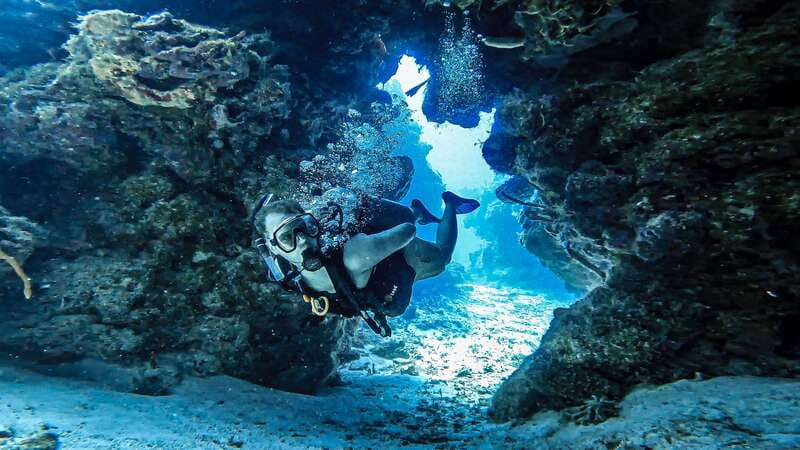
This works best for adults who are already certified divers and know how they handle air management and buoyancy. If you’re new to scuba, this is not designed for that.
It’s not suitable for:
- Pregnant women
- Children under 8
- People with heart problems
- People with mobility impairments
I’d also consider your comfort with being on a boat in open water. You’ll be on the speedboat for roughly 20 minutes each way, plus you’ll be out for about 4 hours total. If you get very seasick, prepare accordingly.
If you’re traveling on a cruise and you’re tight on time, this kind of organized schedule can be a big plus. One review highlighted they handled a tight timeline well and still gave enough time for two sessions and safety stops before getting back with time to spare.
Should you book this two-tank certified diver option?
I’d book it if you want a small-group outing that aims for good conditions and gives you two reef chances in about 4 hours. The combination of calm guidance, likely strong visibility, and a break with real snacks makes it feel more like a tailored day on the water than a rushed checklist.
Skip it if you don’t have your certification, if your health history makes scuba a bad idea, or if you can’t handle being around a boat schedule with rain-or-shine planning.
If your goal is to see real reef life—turtles, rays, coral structure, and the kind of underwater scenery Cozumel is known for—this is a solid bet.
FAQ
Do I need to be a certified diver?
Yes. This is designed for certified divers, and you’ll need your diving certification to join.
How many underwater sessions are included?
The tour includes two tank sessions, each with safety briefings and about 45 minutes underwater.
How long is the tour?
Plan for about 4 hours total.
Where do you usually go for reef stops?
Stops typically happen within the Arrecifes de Cozumel National Marine Park, and the exact sites can vary based on weather, currents, and diver experience. Common areas can include Palancar Gardens, Santa Rosa Wall, and Colombia Reef.
Is the National Marine Park entry fee included?
No. Park entry is $12 USD per person and is not included in the base price.
What gear is provided, and is rental available?
Tanks and weights are included. Diving equipment is available for rent, but it is not included.
What should I bring, and what’s not allowed?
Bring your passport or ID and your diving certification. Weapons or sharp objects aren’t allowed, and you also can’t touch animals or exhibits.
What’s the weather plan if it rains?
The trip runs rain or shine unless the port closes due to heavy weather conditions.