REVIEW · COZUMEL
Open Water Diver Course
Book on Viator →Operated by Buceo en Cozumel | Medusas Dive Cozumel | Bucea por primera vez en la Riviera Maya · Bookable on Viator
A real license, not just a fun outing, is the point here. This 3-day Open Water Diver course in Cozumel is built to make you comfortable with your gear, your body, and the marine environment, then earn an international certification card for up to 18 meters anywhere in the world. The training is partly classroom and partly hands-on, so you’re not guessing underwater.
Two things I like a lot: the structure that starts in a shallow, coral-rich coastal area for early skill building, and the final boat day that takes you out to the Cozumel marine park for deeper open-water training. One drawback to consider is that you’re on a tight 3-day schedule, about 5 hours each day, so if you’re expecting a super-relaxed pace, this course is more “get confident fast” than “linger in paradise.”
In This Review
- Key details that matter before you go
- Why Cozumel fits an Open Water Diver course (and why 18 meters is a big deal)
- Day-by-day schedule: what each of the 3 days actually feels like
- Day 1: Theory + shallow-water skills near shore
- Day 2: More practice, still close to shore
- Day 3: Boat to the Cozumel marine park for deeper training up to 18 meters
- From “I’m nervous” to “I’ve got this”: what independence training really means
- Equipment, safety, and coaching you can actually understand
- The last day’s reef work: what to expect at the marine park
- Instructors and vibe at Medusas Cozumel: Aida, Eider, and Manuela
- Price and value: is $683.86 a good deal?
- Who this course suits best (and who should think twice)
- Practical tips to help you enjoy the full 3 days
- Quick FAQ
- FAQ
- How long is the Open Water Diver course in Cozumel?
- Where does the course start and end?
- What language is the course taught in?
- Is it private, or will I be grouped with others?
- Do I need to do any theory before the water sessions?
- How deep will I train during the course?
- What will day 3 include?
- What happens if weather is bad?
- Can I cancel for a full refund?
- What ages can participate?
- Should you book this Open Water Diver course in Cozumel?
Key details that matter before you go
- Certification depth: course card supports diving up to 18 meters (younger students go shallower).
- 3-day flow: theory plus shore practice the first two days, then boat outings on day three.
- Private setting: only your group participates, which helps you move at a comfortable speed.
- Instructor support: reviews highlight calm, patient coaching from Aida and other team members.
- Marine park reefs: the last day focuses on real reef conditions, not just pool-style practice.
- Good weather requirement: the boat day depends on conditions, so expect a weather check.
Why Cozumel fits an Open Water Diver course (and why 18 meters is a big deal)
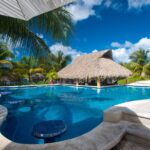
Cozumel is one of those places that makes training feel natural. You’re not just practicing skills in a random strip of water. Instead, you get a mix of shallow coastal areas with coral and marine life, then a final day in the reefs of the Cozumel marine park. That matters because Open Water training is where you learn to stay aware: breathing, buoyancy, navigation, and how to react when something unexpected swims past.
The headline is the certification card. If you pass the course, it’s your “permission slip” to go down to 18 meters anywhere in the world. That’s a major step for anyone who wants more than vacation snorkeling, and it’s also why good coaching and real-world conditions matter more than fancy marketing.
There’s also an important age note. The training depth is limited for younger students: 10 and 11 year olds go down to 12 meters. If you’re booking for a kid, this is one of the first things to confirm when you talk to the school.
You can also read our reviews of more tours and experiences in Cozumel.


Day-by-day schedule: what each of the 3 days actually feels like
This course runs for about 3 days, and each day is roughly 5 hours. Expect a full, active schedule. You’re not just floating while someone watches. You’re learning, practicing, and getting guided feedback.
Day 1: Theory + shallow-water skills near shore
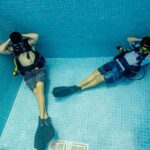
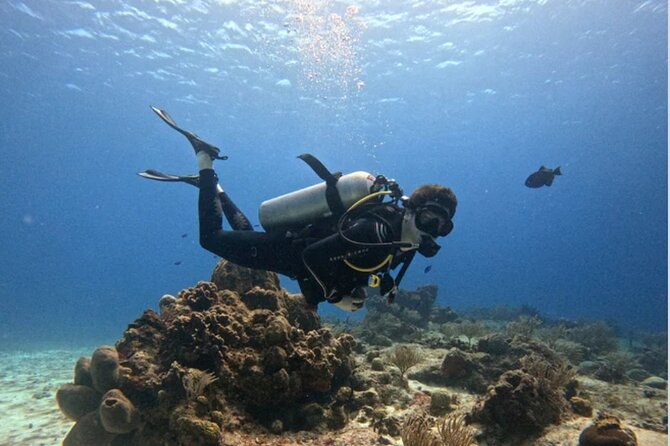
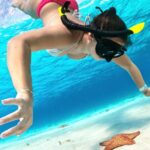
You start with a theoretical part. Some of it is online, and there’s also in-person instruction. Then you move into the water in a shallow area on the coast that has corals and marine life. That “shallow first” choice is smart. It lets you build core underwater habits—controlled breathing, basic buoyancy control, and simple situational awareness—without the pressure of depth.
You’ll also begin getting familiar with the equipment. In reviews, people emphasize how much the instructors explain details and how much attention is given to feeling safe and understanding what’s happening.
Day 2: More practice, still close to shore
The second day continues the mix of learning and hands-on practice. The schedule follows a similar rhythm: in-person theory support and then water work, again in a shallow zone. A second shore day is valuable because it gives you time to repeat skills until they’re automatic.
If you’re the type who worries about making mistakes, a second day near shore often helps. You get feedback, you correct small issues early, and you don’t have to “figure it out” on the final boat day.
Day 3: Boat to the Cozumel marine park for deeper training up to 18 meters
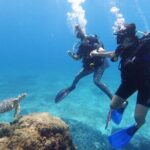
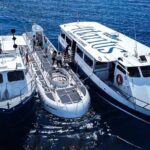
On the last day, the pace shifts. You go out by boat to the reefs of the Cozumel marine park and do training that reaches the course depth limit: up to 18 meters. The day is designed for independence-building in real conditions, not just calm water off a dock.
You’ll do two dives/sessions in the reef area (the course is structured so day three includes two underwater training experiences). Reviews call out that this is the favorite day for many students because the reef scenery and open-water feel are noticeably different from the shore areas.
One practical consideration: this last-day plan depends on conditions. If weather is poor, you may be offered a different date or a full refund, so don’t assume the boat day is guaranteed on the calendar.

From “I’m nervous” to “I’ve got this”: what independence training really means
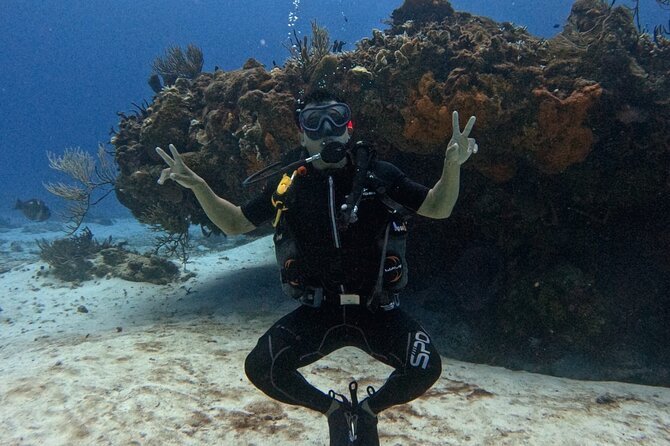
Open Water certification isn’t just about reaching a depth number. It’s about learning how to manage your own diver basics: equipment use, breathing control, buoyancy, and calm decision-making.
What I like about this course approach is the balance of classroom and water practice. Online and in-person theory helps you understand the why behind the skills. Then shore work lets you translate that knowledge into movement and habit. If you skip the theory, you end up memorizing steps. If you get the theory plus repetition, you build confidence.
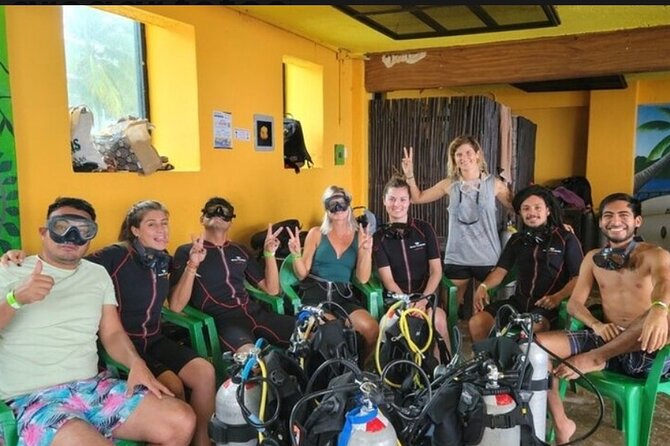
Reviews also highlight instructor style as a key factor. People describe the coaching as patient, safety-focused, and very supportive—especially for students who have fear or hesitation. If you’re worried about getting comfortable underwater, this kind of teaching support is often the difference between quitting mentally and learning to breathe through the butterflies.
Equipment, safety, and coaching you can actually understand
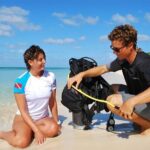
Training success depends on details you can’t fake. That’s why the course includes time to know the equipment and understand how it affects your body underwater. You’re learning how to operate your gear and how to correct yourself if something feels off.
Instructor coaching also shows up as a repeated theme. Reviews single out Aida for clear explanations and a calming presence, including making sure you understand what you’re doing both on land and underwater. Another review praises the owner for being highly involved and helping someone surpass fear.
I’d take those comments seriously if you’re trying to choose a shop. A course can be “official” on paper, but the real experience is how well the instructor communicates and how quickly they fix confusion before it becomes stress.
The last day’s reef work: what to expect at the marine park
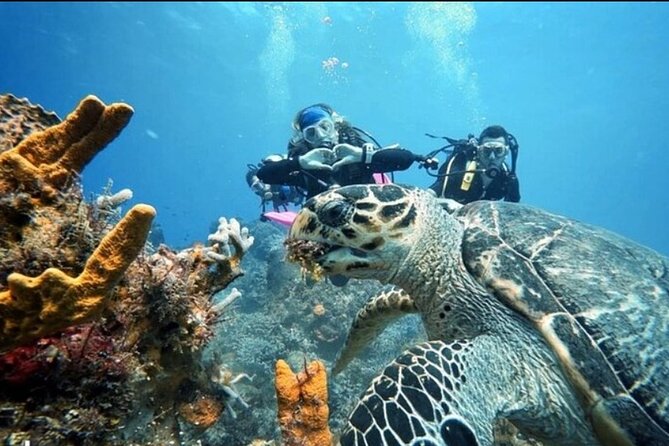
Day three is where the course stops feeling like training drills and starts feeling like real underwater exploration—still with instructor control, but in a reef environment.
You’ll go by boat to the reefs of the Cozumel marine park and perform two underwater training sessions that reach up to 18 meters. That means you’ll experience more depth pressure on your system, different buoyancy feel, and a wider field of view to manage.
Reef training also gives you something practical: you learn how to look around without losing your technique. A good instructor will point things out when you notice something interesting and help you connect what you see to what you’re practicing. In reviews, people highlight instructors spotting cool features and making sure students understand what’s worth paying attention to.
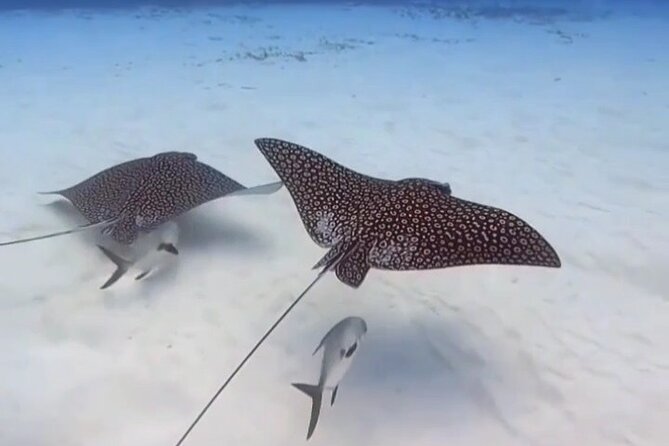
If you’re hoping to see specific marine life, keep expectations flexible. One review mentions coming back soon with the jellyfish. That’s not a promise, but it’s a hint that this center enjoys sharing what’s out there when conditions line up.
Instructors and vibe at Medusas Cozumel: Aida, Eider, and Manuela
The name that comes up most is Aida. Multiple reviews describe her as professional, reliable, and calming, with clear teaching that helps students feel safe. People also mention explanations that make skills easier to repeat correctly.
Other instructors and team members also get credit. Eider is called out as amazing and very patient. Manuela is mentioned along with Aida for attention, patience, security, and the way they make you explain every detail to reinforce learning.
That “make you explain it” style is underrated. It turns you from a passive participant into an active learner. You’re more likely to retain the skills because you have to show you understand them.
There’s also a nice human touch in the reviews: when you’re lucky, there can be an evening sunset moment tied to the course experience. Even without that guarantee, the recurring theme is warmth and support, not just technical instruction.
Price and value: is $683.86 a good deal?
At $683.86 per person for about 3 days, this is not a budget “try scuba once” option. It’s a full certification course with theory and real underwater training, including a boat day and depth work up to 18 meters.
So the value question is simple:
- Are you paying for instruction and a certification card that lets you dive/descend to depth anywhere in the future? Yes.
- Do you get repeated practice time plus an instructor team that’s getting consistently high praise for safety and clarity? Reviews suggest yes, especially around calm coaching and feeling secure.
You’re also getting what’s effectively a guided learning progression: shore theory and skills first, then the reef day at depth. That’s exactly what you want for long-term confidence.
If you’re only looking for a single fun day in the water, you’ll probably find cheaper options elsewhere. But if your goal is real certification and independence, this price can make sense because you’re buying coaching hours, training structure, and the credential.
Who this course suits best (and who should think twice)
This course says most travelers can participate, with a minimum age of 10. It also runs as a private tour/activity, meaning only your group participates. That can be a big plus if you want more attention and fewer distractions.
Best fit:
- You want an international Open Water certification that supports future underwater experiences.
- You prefer a structured, coached plan rather than winging it.
- You feel nervous sometimes and want a patient instructor who explains clearly.
Consider alternatives if:
- You’re trying to book something ultra-flexible and slow. The schedule is about 5 hours each day for 3 days.
- You’re expecting a purely sightseeing trip. This is training first, reef time as part of skill-building second.
Practical tips to help you enjoy the full 3 days
A course like this rewards preparation.
- Bring a calm mindset. Learning underwater involves muscle memory, not heroics.
- Plan to be consistent. If you’re tired, it’s harder to learn buoyancy and breathing calmly.
- Wear/pack for warm coastal conditions, and be ready for a full day outdoors before the water time.
- If you’re bringing gear concerns, ask early. The course already includes time to get to know equipment, but your personal questions will save time and stress.
Also, keep an eye on the depth limitation for younger students. It’s part of how the course is designed, and it affects what you’ll experience.
Quick FAQ
FAQ
How long is the Open Water Diver course in Cozumel?
The course runs for about 3 days, and each day’s activity is about 5 hours.
Where does the course start and end?
It starts at the Medusas Cozumel meeting point on Avenida 20 between Benito Juarez and 2 Nte (Centro, Cozumel) and ends back at the meeting point.
What language is the course taught in?
The course is offered in English.
Is it private, or will I be grouped with others?
It’s listed as a private tour/activity, so only your group participates.
Do I need to do any theory before the water sessions?
Yes. The course includes a theoretical part that’s partly online and partly in person.
How deep will I train during the course?
The certification card supports dives down to 18 meters. For 10 and 11 year olds, the maximum depth is 12 meters.
What will day 3 include?
On the last day, you go out by boat to the reefs of the Cozumel marine park and complete two underwater training sessions reaching the course depth limit.
What happens if weather is bad?
This experience requires good weather. If it’s canceled due to poor weather, you’ll be offered a different date or a full refund.
Can I cancel for a full refund?
Yes. You can cancel up to 24 hours in advance for a full refund. If you cancel less than 24 hours before the start time, the amount paid won’t be refunded.
What ages can participate?
The minimum age is 10 years.
Should you book this Open Water Diver course in Cozumel?
I’d book it if you want a real Open Water Diver certification card and you care about learning how to be independent underwater, not just snapping photos. The combination of shallow coastal practice first and a final reef day at depth is a logical way to build confidence quickly.
If you’re nervous, the instructor reputation is a strong signal. Multiple reviews highlight calm, patient teaching (especially from Aida) and an approach that helps students feel safe and understand the details.
Just be sure you’re comfortable committing to about 5 hours per day for 3 days, and remember the boat/reef portion depends on good weather. If you can handle that, this course is a solid way to turn Cozumel’s reefs into actual skills you can use anywhere in the world.